FOOTUR · Article de fond

Le coach, architecte des états comportementaux

De l'individu au flow collectif : à l'entraînement et en match de compétition

Version de travail à vocation scientifique et professionnelle. Cet article propose un cadre de lecture du rôle du coach fondé sur l'analyse comportementale, illustré par quatre trajectoires de très haut niveau et par une étude de cas terrain documentée de bout en bout (BEZANNES ATHLETIC FC (ex. FC Bezannes 2050) U18, saison 2025-2026).

Selim Saadi · Coach comportemental · FOOTUR
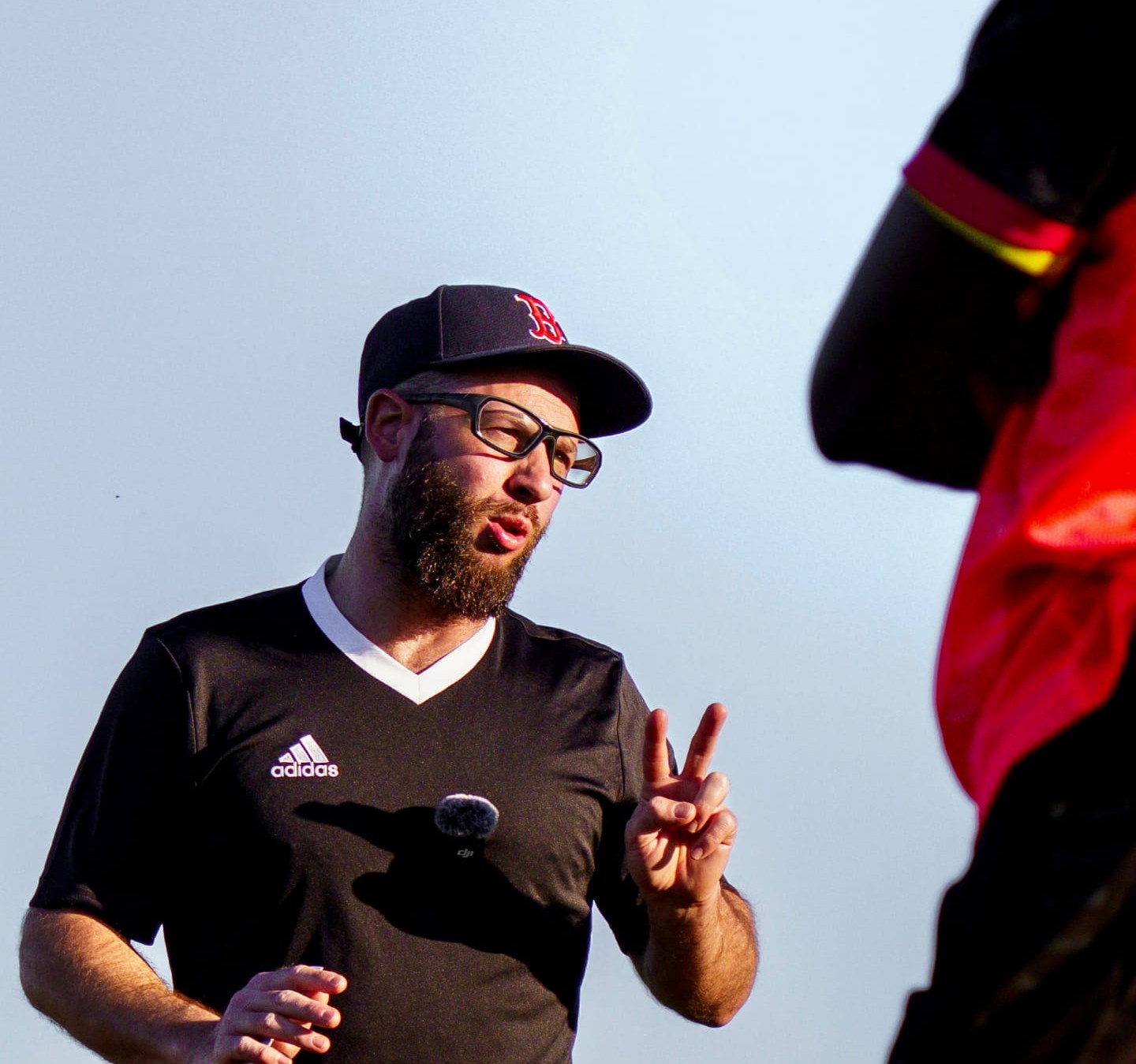
Selim Saadi en situation de coaching

Le football professionnel évalue ses joueurs à travers deux prismes dominants : le talent et le volume de travail. Cet article défend une thèse complémentaire : entre la progression et l'épuisement, entre la performance et la blessure, la variable décisive est l'état comportemental du joueur, et la capacité du coach à le lire puis à le piloter. Trois états sont distingués (naturel, stress modéré, stress traumatique), ancrés dans des cadres théoriques établis (zone proximale de développement de Vygotski[4] ; état de flow de Csikszentmihalyi[5]) et instrumentés par une grille comportementale de type DISC, dont l'origine remonte aux travaux de William Moulton Marston[1] et dont l'application au sport fait l'objet d'une littérature émergente[2]. La démonstration s'appuie sur quatre cas de très haut niveau, puis sur une étude de cas conduite en conditions réelles. De nature observationnelle, ce travail doit être répliqué ; ses limites méthodologiques sont détaillées dans l'article.

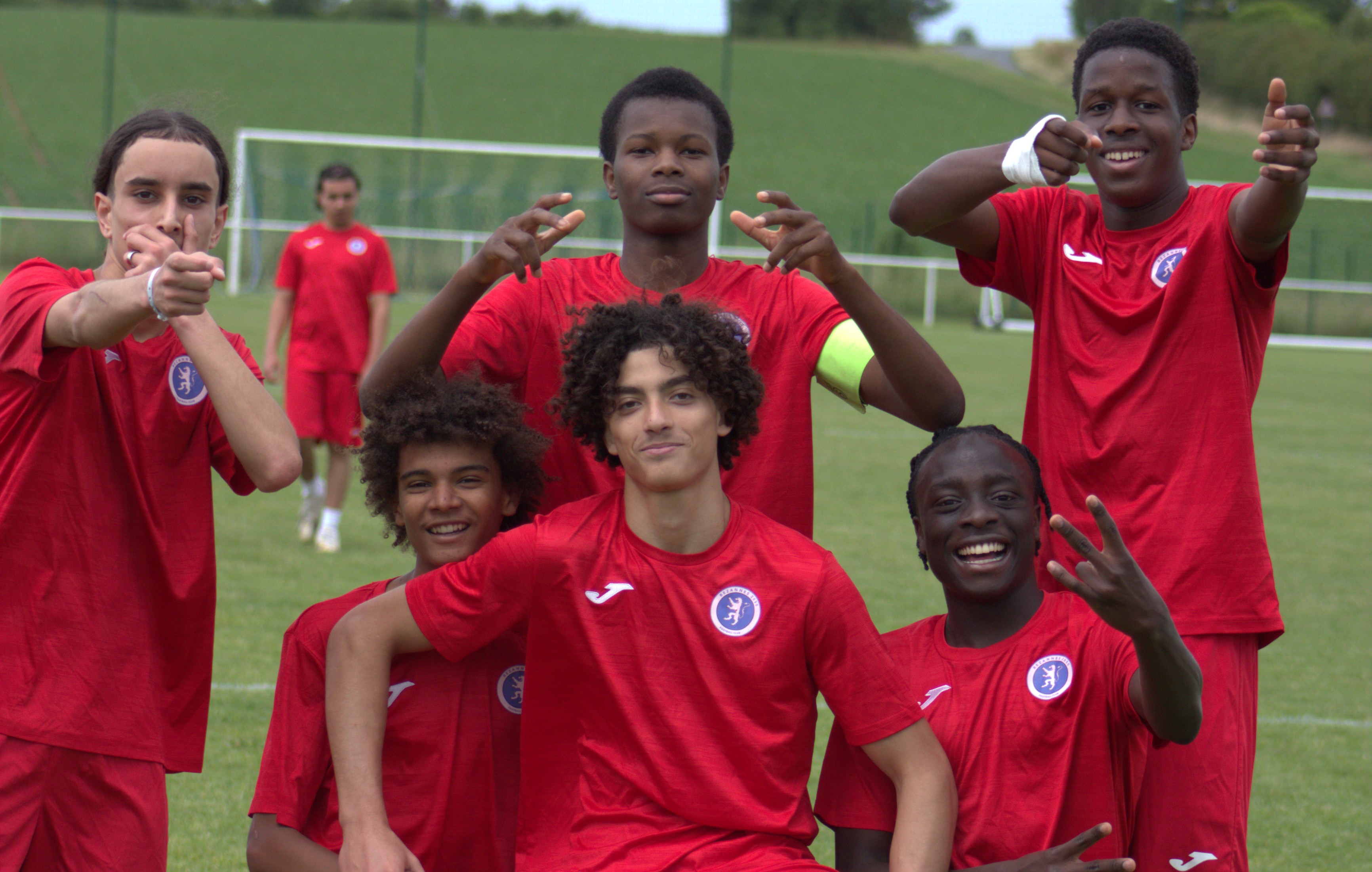
Équipe du BEZANNES ATHLETIC FC au coup de sifflet final · D1 Grand Est Champions 2025-2026
Fig. 1 · BEZANNES ATHLETIC FC · Champions D1 Grand Est 2025-2026
Partie 1

Le double mythe : le talent et les efforts suffisent

Le football professionnel repose encore largement sur deux croyances. La première : le talent fait la différence. La seconde : le travail fait le reste. Détection, données physiques, volume d'entraînement, charge tactique, tout l'écosystème se construit autour de ces deux piliers. Arsène Wenger, qui en fut l'un des grands théoriciens de terrain, résume la seconde croyance d'une formule restée célèbre :

« Personne n'a assez de talent pour se contenter de vivre avec ce seul talent. Sans travail, vous n'allez nulle part. »Arsène Wenger

La proposition est juste, mais elle est incomplète. Le football sait aujourd'hui presque tout du corps du joueur, et presque rien de ce qui se joue au-dessus des épaules. Wenger lui-même y revient : « L'explication se trouve souvent à l'intérieur de vous » ; c'est là, dit-il, qu'il faut déceler ce qui a manqué pour revenir plus fort[12].

Ce « dedans » mérite qu'on s'y arrête, car il n'est pas qu'affaire de tête. Une formule que je dois au réseau EVH[17], ce réseau de dirigeants engagés dans un leadership vivant et aligné dont j'ai fait partie il y a une dizaine d'années, le résume en trois mots : tête, cœur, tripes. Et la neuroscience a, depuis, donné à cette intuition une base concrète.

L'humain ne décide pas avec un seul cerveau, mais avec trois réseaux neuronaux en dialogue. Le ventre abrite un système nerveux entérique, le « deuxième cerveau » du neurogastroentérologue Michael Gershon, fort d'une centaine de millions de neurones, davantage que la moelle épinière[13]. Le cœur possède son propre système nerveux intrinsèque, le « petit cerveau » décrit par le neurocardiologue J. A. Armour, soit quelque quarante mille neurones[14]. Surtout, le sens du flux n'est pas celui que l'on croit : environ 80 % des fibres du nerf vague sont afférentes, c'est-à-dire qu'elles remontent l'information du corps vers le cerveau, et non l'inverse[15]. Le corps ne reçoit pas seulement des ordres de la tête ; il lui en envoie davantage qu'il n'en reçoit.

Cette architecture a une conséquence directe sur le terrain. Décider sous le feu, dans l'urgence et l'incertitude, n'est pas un acte purement cognitif : les signaux du cœur et des tripes orientent le choix, souvent avant même la pensée consciente, ce que la recherche nomme depuis Damasio les marqueurs somatiques[16]. Le sens du jeu, l'intuition du bon appel, la tenue sous pression se jouent à l'intersection des trois centres. C'est précisément ce que lit FOOTUR. Analyser le comportement d'un joueur, ce n'est pas mesurer un « mental » abstrait et secondaire ; c'est lire un système neuro-comportemental où l'émotion et l'instinct ne sont pas le bruit qui parasite la performance, mais une part de son moteur.

L'émotion et l'instinct ne sont pas le bruit qui parasite la performance, mais une part de son moteur.

Tête · Cœur · Tripes · Le triptyque neuronal · Trois centres de traitement en dialogue permanent

Car les carrières les plus suivies de la dernière décennie racontent une autre histoire. Une histoire où des joueurs immensément talentueux et travailleurs plafonnent, s'effondrent ou se détruisent. Non par manque de qualité ou d'efforts, mais parce que l'effort, mal dosé, dans un mauvais contexte, avec de mauvaises dispositions et un accompagnement défaillant, ne fait pas progresser : il épuise, il blesse, il détruit.

Quatre cas, quatre mécanismes distincts, l'illustrent avec une précision presque clinique.

Ousmane Dembélé : le corps qui parle quand les mots manquent

Dembélé a longtemps porté l'étiquette du joueur « fragile », « en verre », « blessé chronique ». Plus de cent matchs manqués au FC Barcelone. Pourtant, l'analyse comportementale de sa carrière révèle un schéma troublant : Dembélé ne se blesse pas quand son corps est fatigué, mais quand quelque chose de précis lui manque.

Son profil comportemental naturel est I-S (Influent-Stable). Deux besoins fondamentaux structurent son équilibre : être aimé et reconnu par son coach (dimension I), et se sentir en sécurité, à sa place, dans une situation stable (dimension S). Lorsque ces deux besoins sont satisfaits, à Rennes avec Montanier, à Dortmund avec Tuchel, au PSG avec Luis Enrique, le résultat est constant : aucune blessure musculaire, et des performances au sommet, jusqu'au Ballon d'Or.

Lorsque l'incertitude s'installe, relationnelle ou contractuelle, le profil S somatise. Le corps exprime ce que les mots ne disent pas. Le Barça des années 2017 à 2021, c'est l'incertitude permanente : succession d'entraîneurs, pression d'un transfert à cent cinq millions d'euros, négociations tendues. Le résultat se lit en blessures à répétition. Ce que le monde du football nomme « fragilité » est en réalité un mécanisme psychosomatique parfaitement identifiable.

Dembélé n'a aucune fragilité physique intrinsèque.

Son corps n'est pas fragile. Il est honnête.

Samuel Umtiti : le stress traumatique chronique

Le cas Umtiti illustre le mécanisme le plus destructeur : le stress traumatique installé dans la durée, sous pression institutionnelle. Précisons d'emblée ce que ce cas n'est pas. Le déclencheur initial est purement physique : un genou gauche touché avant la Coupe du monde 2018, aggravé en forçant pour disputer et gagner la compétition, un cartilage abîmé. Personne ne prétendra que le stress a causé cette blessure.

C'est la suite qui relève de notre sujet. Un traitement conservateur préféré à l'opération, l'échec de ce traitement, des blessures chroniques. Et autour de ce corps qui ne suit plus, un contexte que le joueur a lui-même décrit publiquement des années plus tard : les critiques acerbes et les débats incessants sur son cas, l'isolement progressif au point de ne plus vouloir sortir de sa chambre, le sentiment de se heurter à des portes closes dans son propre club, une reconstruction menée en grande partie seul. Il parlera d'une « mini-dépression ». Et il identifiera lui-même la voie de sortie : mettre des mots sur ce qu'il ressentait, parler, ce qui lui a permis, dit-il, de devenir un homme différent. Sa retraite, à trente et un ans, en septembre 2025, clôt cette trajectoire.

Ce n'est ni un manque de talent ni un manque de travail. C'est un trauma physique devenu spirale, parce que l'environnement n'a su ni lire ni accompagner l'état comportemental d'un joueur en souffrance chronique. Sous stress traumatique prolongé, le joueur ne régresse pas seulement : il se ferme et se radicalise dans des schémas de survie. Et lorsque la sortie arrive enfin, elle arrive par où elle aurait pu commencer : la parole, l'écoute, la lecture de l'homme derrière le genou.

Antoine Griezmann : la preuve par le retour

Griezmann offre la démonstration inverse, et peut-être la plus convaincante, parce qu'elle s'observe à un âge où la pente est censée descendre. Rappelons la trajectoire. Révélé à la Real Sociedad, il atteint son sommet à l'Atlético de Madrid entre 2014 et 2019, où il devient l'un des meilleurs attaquants du monde. Son transfert au FC Barcelone, de 2019 à 2021, se révèle décevant : jamais il n'y trouve sa place comportementale ni son meilleur rendement. Il revient alors à l'Atlético, d'abord en prêt, puis définitivement, et y retrouve l'environnement qui lui correspond : un entraîneur qui le connaît, un club dont il incarne l'identité, le statut de cadre et de capitaine.

La saison 2025-2026 en fournit une illustration saisissante. À trente-cinq ans, Griezmann débute l'exercice avec un statut diminué de remplaçant, entrant en fin de match, et traverse une disette de près de huit mois sans marquer en championnat. Puis le niveau revient. Il met fin à sa série face au Real Madrid, inscrit son deux centième but sous le maillot de l'Atlético, atteint son deux centième but en championnat, et se montre particulièrement décisif sur la scène européenne. Soyons précis et honnête : ses statistiques de championnat restent modestes au regard de son apogée ; il ne s'agit pas d'un retour à son rendement de meilleur buteur, mais d'un redressement réel de son influence et de sa décisivité, à un âge avancé pour un attaquant de ce niveau.

Griezmann ne s'est pas transformé physiquement entre ses saisons d'usure et ce redressement. C'est le contexte comportemental qui a changé. Le niveau revient, malgré un âge plus avancé, parce que l'environnement, cette fois, soutient l'homme au lieu de l'éroder. Voilà ce que le talent et le travail, seuls, ne peuvent pas expliquer.

Kylian Mbappé : quand le profil prend le contrôle du cadre

Le quatrième cas est le plus actuel, et le plus instructif pour comprendre ce qui se joue entre un profil et son environnement.

Le profil comportemental de Mbappé, observé sur dix ans et quatre contextes (Monaco, PSG, Real Madrid, équipe de France), s'articule autour des dimensions S, C et I : stabilité, conscience, influence. Avec une absence remarquable : la dimension D, celle du dominant qui confronte. Le test est simple et observable par quiconque. En dix ans de carrière au plus haut niveau, aucune image ne le montre attrapant un coéquipier par le col pour le secouer, criant fort sur un partenaire pour le reprendre, tenant un face-à-face prolongé, ou haranguant son vestiaire après un but encaissé. Or c'est exactement ce que produit un profil D sous pression, un Sergio Ramos, un Cristiano Ronaldo.

Une distinction cruciale s'impose ici, que le football confond systématiquement : le talent n'est pas le leadership. Mbappé est ce que l'on pourrait nommer un sniper d'élite. Précision, vitesse, finition, concentration : probablement le meilleur au monde dans sa zone d'excellence. Mais un sniper ne dirige pas une armée. Fédérer, décider sous le feu, assumer pour le groupe, galvaniser, voilà un autre métier et un autre profil. Le drame de sa trajectoire tient en une phrase : on a confié, et il a réclamé, un rôle de général à un profil de sniper. L'ancien international Samir Nasri, consultant sur Canal+, pointait d'ailleurs publiquement, dès 2024, que l'effet d'entraînement de ce positionnement déteignait sur le vestiaire, jusqu'à influencer les comportements d'un Vinicius[11].

On a confié, et il a réclamé, un rôle de général à un profil de sniper.

Sous stress fort, son C s'emballe et vire à l'obsession de contrôle : tout maîtriser, tout prévoir, tout verrouiller, y compris le cadre lui-même. Mais à la manière d'un C, jamais d'un D, c'est-à-dire sans confrontation directe et sans se mettre en danger. À distance.

Or un profil C sous stress obéit à une loi simple : s'il n'est pas contenu par un cadre plus structurant que lui, c'est lui qui prend le contrôle du cadre. C'est précisément ce qui s'est produit au PSG avant l'arrivée de Luis Enrique : un joueur en position de force absolue, encensé par la planète entière, face à une institution qui n'avait ni la volonté ni les moyens comportementaux de le cadrer. La seule autorité qui ait tenu dans la durée est celle qui le dépasse structurellement : l'institution équipe de France, non l'homme qui l'incarne, mais ce qu'il représente.

Puis vient l'erreur stratégique du Real Madrid. Pour l'attirer, la présidence lui accorde du pouvoir. Mais un profil C auquel on donne le contrôle ne le rend jamais volontairement. Deux saisons décevantes plus tard, un vestiaire fracturé, un joueur isolé, et surtout, pour la première fois de sa carrière, une position de faiblesse réelle.

C'est exactement cette fenêtre qui rend l'arrivée d'un entraîneur comme José Mourinho potentiellement décisive. Non parce que Mourinho serait un magicien, mais parce que c'est Mourinho, maintenant, dans ce timing précis, qui peut s'autoriser à imposer un cadre plus dominant que le besoin de contrôle de Mbappé. Un cadre assez fort pour que le C accepte enfin de lâcher prise, et qu'émerge, tardivement peut-être, une version plus altruiste et plus collective de son jeu, ancrée dans une performance globale.

Le timing et le contexte ouvrent la possibilité. Pas l'homme seul, malgré son pedigree.

Ce que ces quatre cas disent ensemble

Quatre joueurs, quatre profils, quatre mécanismes, une seule conclusion.

Le contexte comportemental que le coach bâtit, ou laisse se déliter, est la variable décisive entre la progression et l'épuisement, entre la performance et la blessure.

Le talent n'est pas un plafond : c'est une variable, importante mais partielle, et rarement monolithique, un faisceau de capacités (finition, dernière passe, orientation du jeu) qui peuvent se redéployer. Le travail en est une autre. Ce qui décide de leur expression réelle, c'est l'état comportemental du joueur.

Tableau 2 Synthèse des quatre cas
JoueurProfil dominantMécanisme observéVariable décisive
DembéléI-SSomatisation sous incertitude relationnelleSécurité affective et reconnaissance
UmtitiSouffrance SSpirale physique et psychologique non accompagnéeLecture et parole, en amont
GriezmannCadre affectif fortÉrosion en mauvais contexte, redressement en bon contexteEnvironnement qui soutient le profil
MbappéS-C-I, sans DPrise de contrôle du cadre faute de cadre plus fortAutorité structurante supérieure
Partie 2

Trois états, trois réalités : comprendre le joueur

Tout joueur évolue en permanence entre trois états comportementaux. Les confondre, c'est se condamner à coacher à l'aveugle. Rappelons que la lecture de ces états s'appuie sur la grille DISC évoquée en ouverture, héritée de Marston[1] : quatre dimensions comportementales observables, dont on suit le déplacement selon le niveau de tension.

L'état naturel : la fenêtre stable

Au naturel, le joueur exprime son profil comportemental de base, sa manière spontanée d'agir, de communiquer, d'apprendre, de se connecter aux autres. C'est l'état le plus lisible et le plus stable, celui où le coach peut observer les vraies tendances du joueur, ses moteurs, ses appuis naturels.

C'est dans cet état que se construit la fondation de la progression : l'apprentissage y est régulier, la disponibilité cognitive maximale, la relation au coach et aux coéquipiers fluide.

Le stress modéré : la fenêtre qui peut s'élargir

Contrairement à une idée reçue, le stress n'est pas l'ennemi de l'apprentissage. Sous stress modéré, certaines capacités se ferment, mais d'autres s'ouvrent, parfois plus largement qu'à l'état naturel. Un joueur placé sous une tension calibrée peut accéder à des niveaux d'intensité, de concentration ou de dépassement que son état naturel ne déclenche jamais.

Cette intuition rejoint deux cadres théoriques solidement établis. D'abord la zone proximale de développement de Vygotski[4] : on progresse le plus à la frontière de ses capacités actuelles, ni en deçà, ni trop au-delà. Ensuite l'état de flow de Csikszentmihalyi[5] : cet équilibre optimal entre le niveau de défi proposé et le niveau de compétence disponible.

La clé pour le coach n'est donc pas d'éliminer le stress, mais de le doser et de l'orienter : suffisamment de tension pour ouvrir les fenêtres, jamais assez pour les fermer.

Le stress traumatique : la fermeture

Au-delà d'un certain seuil, conflit violent avec un coéquipier, humiliation publique, insécurité existentielle sur sa place, le joueur bascule en stress traumatique. Là, les fenêtres se ferment. Le comportement se radicalise, l'apprentissage s'arrête, le joueur entre en mode survie. À l'entraînement, c'est rare, mais cela arrive. Dans la durée, c'est le mécanisme Umtiti. Dans le corps, c'est le mécanisme Dembélé.

Il existe par ailleurs un quatrième état, plus insidieux : la zone grise, ni sécurité claire, ni rejet explicite. Le joueur n'a ni la certitude qui apaise, ni l'adversité identifiable qui mobilise. C'est l'incertitude passive, et pour certains profils, c'est le pire des poisons.

Un point de méthode s'impose ici, car il prévient une erreur fréquente. Il n'existe aucune règle mécanique du type « tel signe égale tel état ». La transition d'un état à l'autre ne se lit pas à un signal isolé. Un même comportement peut relever du stress modéré chez un joueur et du stress traumatique chez un autre. Certains profils basculent d'une dimension à une autre, d'un registre consciencieux vers un registre influent par exemple, sous un stress simple, sans qu'il y ait trauma. La lecture juste se fait par faisceau d'indices croisés, observés dans la durée et toujours comparés au comportement naturel de ce joueur précis. C'est ce qui distingue une grille comportementale sérieuse d'un test automatique, et ce qui rend l'œil entraîné du praticien irremplaçable. La recherche en psychologie du sport consacrée aux crises va dans le même sens : les crises ne surgissent pas de nulle part, elles s'installent, et ce sont leur installation, leurs causes et leurs trajectoires qui deviennent lisibles pour qui observe les bons signaux dans la durée[3].

Tableau 3 Les trois états comportementaux
ÉtatCe qui se passePour l'apprentissageRôle du coach
NaturelLe profil s'exprime spontanémentFondation : régulier, disponibleObserver, établir la ligne de base
Stress modéréDes fenêtres se ferment, d'autres s'ouvrentLevier : dépassement possibleDoser et orienter la tension
Stress traumatiqueFermeture, radicalisation, survieArrêt : plus de progressionReconnaître vite, sécuriser, accompagner
Zone griseNi sécurité, ni adversité claireÉrosion lente, démobilisationLever l'ambiguïté, redonner un cap

Ces états, observés sur le terrain

Ces trois états ne sont pas des abstractions. Ces approches comportementales existent depuis plus de cinquante ans en entreprise (terrain sur lequel j'ai construit ma propre pratique pendant quinze ans, sans la couche du stress traumatique que FOOTUR y ajoute) et elles s'imposent de plus en plus dans le sport professionnel. La saison du BEZANNES ATHLETIC FC (ex. FC Bezannes 2050) les a donnés à voir. Les exemples qui suivent sont réels et simplement anonymisés, car il s'agit de mineurs.

La zone grise, d'abord. Un meneur de jeu de l'effectif, parmi les plus talentueux, était démobilisé au point de ne plus avoir envie de jouer : ni sécurité claire, ni adversité identifiable, seulement une perte de sens. Le travail a porté sur son pourquoi, sur ce qu'il attendait encore du football. Le sens revenu, un leadership naturel a réémergé que rien n'avait laissé paraître : il est devenu la voix du vestiaire dans les moments difficiles. Sortir de la zone grise, c'est retrouver la fenêtre de l'état naturel.

Le stress modéré, ensuite, comme levier. Un attaquant techniquement doué se sabotait, faute de confiance dans ses frappes. La veille d'un match important, une séance individuelle centrée sur une seule chose, ses tirs, avec permission explicite de rater : le lendemain, deux buts contre l'une des meilleures équipes de la poule. Un autre joueur, après un penalty manqué à l'entraînement, voulait se retirer ; recadré et reprojeté non vers l'entraînement mais vers le match à venir, il a inscrit trois buts le jour décisif.

La tension, calibrée et orientée, ouvre la fenêtre que l'état naturel seul ne déclenche pas.

Le stress traumatique, enfin. À mi-saison, un conflit violent éclate entre deux joueurs, le type de moment qui fracasse un groupe. Plutôt que de l'étouffer, il a été traité : les deux joueurs se sont excusés devant le collectif, par choix et non sous contrainte. Le groupe en est sorti plus soudé. Reconnaître vite le basculement, sécuriser, accompagner : c'est ce qui transforme un déclencheur traumatique en point d'appui plutôt qu'en fracture.

Un dernier cas mérite d'être rapproché du tout premier de cet article. Un joueur de dix-sept ans, que nous appellerons Aly (prénom d'emprunt), partage le profil naturel de Dembélé : Influent, orienté vers le collectif, aimé du vestiaire. Mais là où Dembélé, sous stress, se retire et intériorise en silence, Aly bascule dans l'autre sens : il devient critique, cassant, et peut décrocher du jour au lendemain. Même profil de départ, deux fenêtres de stress opposées. Une fois ce mécanisme compris, l'accompagnement a été ajusté, davantage de reconnaissance, un rituel de valorisation après chaque rencontre, une vigilance en amont du décrochage, et le joueur est redevenu le leader positif qu'il était. La même grille, lue à dix-sept ans en district ou au sommet mondial, commande le même geste : un coaching individuel, profil par profil.

Les outils de lecture

Lire ces états ne relève pas de la seule intuition. Des outils existent et se complètent.

Le DISC, issu des travaux de Marston[1], cartographie le profil comportemental selon les quatre dimensions présentées en ouverture, et révèle les besoins fondamentaux, les peurs et les réactions de chaque joueur. Il se déploie en deux couches dans sa version classique, le profil naturel et le profil adapté sous stress, auxquelles FOOTUR ajoute une troisième couche inédite : le profil sous stress traumatique. Le WPMot identifie les facteurs de motivation profonds, ce qui met réellement le joueur en mouvement. L'EGO TEST « Guerrier Lucide », développé par FOOTUR, évalue la capacité de remise en question, d'apprentissage et de connexion, à soi-même et aux autres. La programmation neuro-linguistique complète enfin l'arsenal sur les états internes : ancrages, recadrages, pilotage des représentations.

Ensemble, ces outils transforment l'intuition des grands coachs en système reproductible.

Les 3 états comportementaux · Naturel · Adapté · Traumatique · Lecture propriétaire FOOTUR
Partie 3

Le coach à l'entraînement : architecte de la progression

L'entraînement est le territoire où le coach dispose du maximum de contrôle sur le contexte. C'est là que se joue la progression, individuelle et collective.

Lire avant d'agir

La première mission du coach est de connaître chaque joueur dans son état naturel : comment il apprend, comment il communique, ce qui le sécurise, ce qui le braque. Sans cette lecture, toute intervention est un pari.

Doser le stress comme variable pédagogique

Une fois les profils lus, le stress devient un outil intentionnel. Augmenter la pression sur un exercice pour un joueur qui s'ouvre sous tension. La réduire pour celui qui se ferme. Mettre en place une compétition interne calibrée. Protéger un joueur en zone de fragilité. Le coach ne subit plus les états de ses joueurs : il les pilote.

Gérer le traumatique quand il survient

Un conflit entre coéquipiers, une humiliation, une rupture de confiance : le stress traumatique surgit parfois à l'entraînement. Le coach qui sait le reconnaître intervient vite, car il sait qu'un joueur dans cet état ne progresse plus et peut contaminer le collectif.

C'est précisément ce qui a manqué à Unai Emery avant la « Remontada » de 2017. Face à un Barça revanchard et à un contexte de pression extrême, l'absence de cadre comportemental stabilisateur, de sécurité collective installée en amont, a laissé l'équipe basculer collectivement en état de stress dépassé. Le 6-1 n'est pas d'abord un effondrement tactique. C'est un effondrement comportemental collectif que rien n'avait été construit pour prévenir.

De l'individuel au collectif

Le travail individuel est la fondation ; l'architecture collective est l'édifice. Connaître les profils permet de composer les binômes d'exercices, d'anticiper les frictions, d'identifier les relais naturels de leadership, et de construire une ossature comportementale d'équipe, exactement comme on bâtit une ossature tactique.

Dosage du stress selon le profil comportemental
Fig. 2 · La zone de tension optimale varie selon le profil DISC. Adapter le stress au profil, c'est optimiser la fenêtre de progression.
Partie 4

Le coach en match de compétition : déclencher le flow collectif, le bon mindset (état d'esprit)

Le match est un autre monde. Le stress y est structurellement plus élevé, moins contrôlable, et chargé d'enjeux que l'entraînement ne reproduit jamais totalement.

Préparer comportementalement, pas seulement tactiquement

La préparation d'un match est presque toujours pensée en termes tactiques : bloc, transitions, coups de pied arrêtés. Mais en fonction de l'adversaire, de l'ambition, de l'approche retenue et des objectifs, le coach doit aussi préparer les états. Quel niveau d'activation pour quel joueur ? Qui a besoin d'être sécurisé avant le coup d'envoi ? Qui a besoin d'être mis au défi ? Quel discours, quel ton, quelle gestuelle pour amener chacun, puis le collectif, dans l'état requis ?

Activer les bons états selon l'objectif

Stabiliser un bloc défensif demande des états de calme, de concentration et de solidarité, c'est-à-dire un registre comportemental à dominante S et C. Lancer des offensives, se rebeller dans le jeu, créer des décalages et des déséquilibres dans la défense ou le milieu adverse demande de l'audace, de la prise de risque et de l'énergie, c'est-à-dire un registre D et I. Le coach qui maîtrise les profils sait quels joueurs incarnent naturellement chaque registre, lesquels peuvent y basculer sous le bon stimulus, et comment déclencher, individuellement puis collectivement, le flow comportemental que le scénario du match exige.

Lire les profils complexes : le coût de l'illisibilité

Il est un cas où cette compétence de lecture devient littéralement décisive : face aux profils complexes. La relation entre Karim Benzema et Didier Deschamps en offre le cas d'école, sept années d'incompréhension entre deux des plus grands professionnels du football français.

Sans rien trancher des affaires extra-sportives qui ont jalonné cette relation, l'analyse comportementale propose une lecture que ni l'accusation ni la défense n'épuisent. Benzema présente un profil C dominant avec un I secondaire fort : besoin d'être reconnu pour ses compétences (C), besoin d'être admiré pour son talent (I), et une signature comportementale singulière, jamais de confrontation directe, mais le chambrage, le sous-entendu, le message cryptique. Une provocation lancée dans la presse tout en niant la penser, lorsqu'il déclare ne pas croire Deschamps « raciste » tout en l'accusant d'avoir cédé à une partie « raciste » de la France ; un départ nocturne sans saluer ; un emoji en guise de point final. Deschamps, lui, présente un profil C-S : besoin viscéral de prévisibilité (C), protection du groupe avant tout (S). Or un profil C-S a besoin de pouvoir lire les hommes pour leur faire confiance, et Benzema, structurellement, lui est illisible. Chaque sous-entendu active sa peur de l'erreur ; chaque ambiguïté menace l'harmonie qu'il protège.

Quatre années de soutien indéfectible, maintenir Benzema contre vents et marées malgré des passages à vide devant le but, lui confier le brassard de capitaine le temps d'un match en l'absence de Lloris, montrent que le problème n'était pas le rejet de l'homme. Le problème était l'absence d'outils pour décoder un fonctionnement : comprendre que ce profil avait besoin d'une reconnaissance de ses compétences plus que de déclarations de confiance génériques, anticiper que sous stress il se replierait dans les non-dits plutôt que de s'expliquer, et cadrer la communication avant que les sous-entendus ne s'enkystent. Sept ans de malentendus qu'une grille de lecture aurait pu, sinon effacer, du moins transformer en collaboration.

L'illisibilité comportementale non gérée coûte des années, aux hommes comme aux équipes.

L'assainissement comme acte de management : le cas Luis Enrique

Le travail de Luis Enrique au PSG illustre la version la plus aboutie de ce management comportemental, et mérite qu'on s'y arrête. Hériter d'un vestiaire construit autour de personnalités surdimensionnées, c'est hériter d'un collectif où la sécurité comportementale de chacun dépend en permanence de l'humeur, du statut et des exigences de quelques-uns. Dans une telle configuration, aucun cadre stable ne tient, parce que le cadre lui-même est constamment renégocié par les egos les plus dominants. Le rendement collectif devient otage des états individuels.

La décision d'assainir ce vestiaire, d'écarter ou de subordonner les egos qui empêchaient l'installation d'un cadre commun, n'a donc rien d'un choix de communication ni d'un simple parti pris d'autorité. C'est un acte de management comportemental au sens strict : restaurer d'abord la sécurité et la cohérence du collectif, condition de possibilité de toute ambition tactique. Luis Enrique a fait primer l'architecture comportementale du groupe sur la somme des talents individuels, en acceptant le coût à court terme d'un tel choix.

Le mécanisme mérite d'être nommé, car il vaut bien au-delà du PSG. Un cadre commun et clair libère les profils qui ont besoin de sécurité pour performer, neutralise la capacité des profils dominants à capturer le collectif à leur seul bénéfice, et redonne au coach la maîtrise des états du groupe. Le résultat parle de lui-même : un PSG porté à de très hautes altitudes footballistiques, par un groupe enfin comportementalement aligné, où le talent considérable de l'effectif a pu s'exprimer au service d'un projet plutôt qu'au service d'individualités. Là où le Real Madrid a accordé le pouvoir à un profil qui ne pouvait que le capter, le PSG de Luis Enrique a fait le choix inverse.

Le cadre d'abord, l'individu ensuite.

Les deux trajectoires, comparées, forment la démonstration la plus claire de la thèse défendue ici.

Cadre capté vs cadre commun · deux architectures collectives
Fig. 3 · À gauche, le cadre capté : un ego dominant centralise et fragilise. À droite, le cadre commun : un référentiel partagé ancre chaque profil.
Partie 5

Étude de cas : BEZANNES ATHLETIC FC (ex. FC Bezannes 2050) U18, saison 2025-2026

La théorie est une chose. Voici ce qu'elle produit sur un terrain réel, avec des joueurs réels, sur une saison complète, documentée de bout en bout.

Le point de départ : septembre 2025

Le BEZANNES ATHLETIC FC (ex. FC Bezannes 2050) U18 aborde la saison comme une équipe cent pour cent loisir de Départementale 2. Vingt-sept joueurs, des anciens ensemble depuis les U14 et beaucoup de nouveaux. Une ambiance bon enfant mais dissipée, un seul entraînement basique par semaine, et une ambition résumée en une phrase : s'amuser, et pourquoi pas monter. Les symptômes comportementaux sont nets : démobilisation rapide, entrées de match ratées, difficultés au retour des vestiaires, manque de constance sur quatre-vingt-dix minutes.
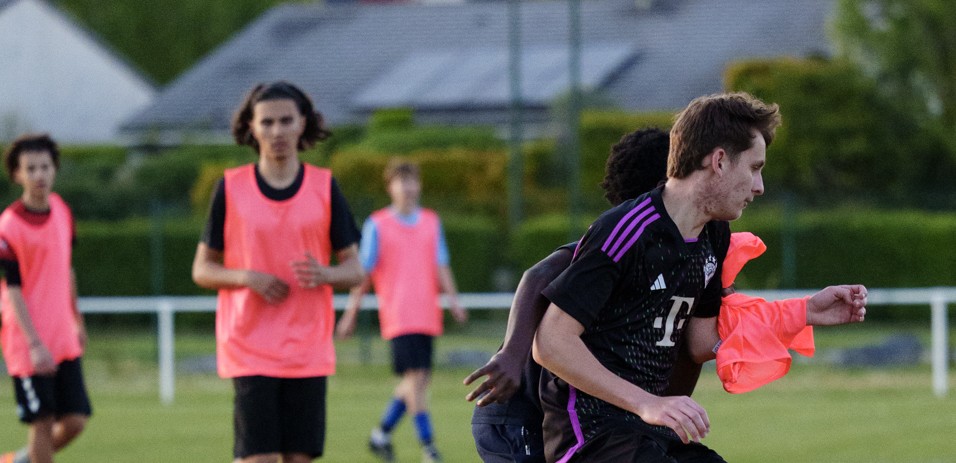
Le groupe au premier entraînement · FC Bezannes · Septembre 2025
Fig. 4 · Le groupe au premier entraînement · D2 Loisir · Septembre 2025

Le diagnostic

En tant que coach principal, j'ai fait diagnostiquer l'effectif avec la batterie complète FOOTUR : profil DISC en trois couches, facteurs de motivation, capacité d'apprentissage et de connexion. Vingt-sept joueurs à l'analyse initiale, vingt-neuf en fin de saison après les arrivées en cours d'année. Une donnée collective a structuré toutes les décisions de la saison : sous stress, une part majoritaire du groupe, naturellement le plus consciencieux et structuré, glisse vers un registre influent et émotionnel et se désorganise. Le système tactique, la composition des lignes et jusqu'aux causeries d'avant-match ont été choisis pour sécuriser ce collectif réel, et non un collectif théorique.

L'analyse sous stress traumatique est une extension du modèle DISC que j'ai développée en construisant FOOTUR. Le DISC classique cartographie le profil naturel et le profil adapté sous stress ; la troisième couche, celle du stress traumatique, n'y figurait pas. Appliquée systématiquement à chaque joueur, à chaque décision tactique et à chaque prise de parole, c'est une dimension que même les plus grandes organisations mondiales n'exploitent pas aujourd'hui.

Au-delà des individus, le collectif lui-même a suivi une trajectoire comportementale lisible. À l'entame, son profil naturel était à dominante consciencieuse et stable (C-S) : un groupe appliqué et structuré, mais peu affirmé. Or un tel collectif, sous la pression, ne se durcit pas ; il se disperse. Il bascule vers un registre influent et émotionnel (I-C), perd ses repères et se désorganise. C'est précisément cette lecture qui a commandé toute l'architecture de la saison. Un groupe qui se défait sous le stress n'a pas besoin qu'on le secoue davantage ; il a besoin d'un cadre stable et clair (système lisible, rôles définis, causeries cadrantes) qui lui rende la structure et la sécurité dont ses dominantes S et C ont besoin pour absorber la pression au lieu de fondre sous elle. Le cadre n'a pas bridé le groupe : il l'a tenu hors de la zone où la tension subie disloque l'expression.

Et c'est là le plus frappant : à mesure que ce cadre tenait et que le travail s'accumulait, le groupe n'a pas seulement mieux performé dans le même profil ; son profil naturel lui-même s'est déplacé. De plus en plus compétitif, le collectif a glissé vers une dominante affirmée et décisive, tout en conservant sa rigueur (D-C). L'équipe n'est pas devenue meilleure en restant la même : elle est devenue, par nature, une équipe de compétiteurs. Un cadre adapté, qui maîtrise la pression, ne rapproche pas seulement un groupe de sa pleine expression : il finit par élever le niveau de base à partir duquel ce groupe joue.

L'équipe n'est pas devenue meilleure en restant la même : elle est devenue, par nature, une équipe de compétiteurs.

BEZANNES ATHLETIC FC (ex. FC Bezannes 2050) · Saison 2025-2026 · Résultats & méthode FOOTUR

L'intervention

Précisons d'abord la nature de cette intervention, car elle conditionne la lecture des résultats. Il ne s'agit pas d'une accumulation d'actions parallèles, mais d'une architecture unifiée, conçue et pilotée par un seul architecte : les ambitions fixées, les process supervisés, les contenus d'entraînement, les préparations physiques et comportementales, les entretiens individuels continus, la gestion des feedbacks, la préservation de l'éthique et des valeurs, et le management des adjoints. Maxence et Thomas sur le volet physique ; Axel, co-coach des deux saisons précédentes en D2, assurant le relais administratif et la continuité historique du groupe.

Le cœur de cette architecture, c'est la lecture comportementale. C'est elle qui a permis d'obtenir l'adhésion : faire comprendre à chaque joueur, dans son langage propre, la nécessité de travailler plus et différemment, afin que le groupe progresse ensemble et que le niveau s'homogénéise. C'est elle qui a structuré les leviers de cohésion, du tournoi de futsal organisé pour souder le groupe jusqu'à une formation au DISC dispensée aux joueurs eux-mêmes, pour les aligner sur une vision commune du coaching et de la performance. Le DISC ne fait pas tout, mais il est au cœur de la lecture, de la communication, du management et de la recherche de performance, à l'entraînement comme en match.

Concrètement, tout le coaching de la saison a été construit sur ces données. Individuellement : adaptation des feedbacks, du dosage de stress et du mode de communication à chaque profil. Les profils S et C reçoivent structure et clarté ; les profils I et D reçoivent du défi et un appel à l'action. Collectivement : construction de la colonne vertébrale de l'équipe selon les profils et leur complémentarité, séances différenciées selon les besoins psychologiques identifiés, et préparation comportementale spécifique de chaque match.

Le match pivot de la première phase l'illustre. Bétheniville (troisième) contre Bezannes (deuxième), préparé une semaine à l'avance, comportementalement autant que tactiquement. Résultat : 1-6 à l'extérieur, but dès la deuxième minute, aucun relâchement, remplaçants décisifs, sixième but à la quatre-vingt-huitième. La montée en D1 est validée.

À l'intersaison, le travail change de dimension : six semaines de préparation structurée. Le corps (gainage, explosivité, cardio, avec un préparateur physique dédié), l'esprit (entretiens individuels, bilans DISC personnalisés, préparation mentale adaptée à chaque joueur), et l'épreuve, trois matchs amicaux contre des équipes de U19 Régional 1, un an plus âgées et deux divisions au-dessus. Trois défaites assumées et exploitées. On a appris à perdre pour apprendre à gagner.

Les résultats

Au printemps 2026, Bezannes est champion de D1 District Marne, à la première place de la Phase 2, avec la meilleure attaque et la meilleure défense (différence de buts de +16), et valide sa qualification en U19 Régional 1 pour la saison 2026-2027. De la D2 loisir au niveau régional, en une seule saison, avec le même groupe de base, et des progressions individuelles et collectives mesurées de +30 % à +60 % sur cinq à sept mois selon les joueurs (voir la note méthodologique en fin d'article).

Tableau 4 Le parcours de la saison 2025-2026
ÉtapeNiveauRésultat
Phase 1D2 (loisir au départ)2ᵉ, montée validée
Match pivotD2, à l'extérieurBétheniville 1 – 6 Bezannes
Intersaison3 amicaux vs U19 R13 défaites assumées et exploitées
Phase 2D1 District MarneChampion, meilleure attaque et défense (+16)
Saison 2026-2027U19 Régional 1Qualifié

L'épreuve la plus révélatrice n'est pourtant pas une victoire. Lors du match au sommet contre Montmirail, l'équipe se retrouve à dix contre onze, ses deux coachs expulsés, seule sur le banc, dans des conditions d'arbitrage contestées. Aucune contestation des joueurs, aucun manquement, une tenue exemplaire saluée jusque par les supporters adverses. Le soir même, un sondage interne au groupe recueille treize voix sur treize pour « devenir encore meilleurs ». C'est exactement cela, une architecture comportementale qui tient.

Non pas une équipe qui ne perd jamais, mais une équipe que la perte ne désorganise plus.

Ce que le classement ne dit pas

Le classement dit le résultat. Les joueurs, eux, disent le mécanisme.

Avant je stressais, maintenant je sais ce que je vais faire.Un milieu de l'effectif

« Mon niveau est passé de 6 en septembre à 8 en mars, première fois que je peux mesurer ma progression avec de vrais chiffres », rapporte un latéral droit. « Mes frappes sont dix fois meilleures quand je suis en confiance, maintenant j'anticipe au lieu de réagir », observe un milieu de terrain. « J'ai retrouvé l'envie de jouer au foot », résume un meneur de jeu. Le président du club lui-même relève une dimension de données jamais vue à ce niveau amateur, qui a poussé les joueurs à chercher leur plein potentiel.

Aucun joueur n'a changé de talent entre septembre et juin. Ce qui a changé, c'est le contexte comportemental dans lequel ce talent s'est exprimé : chacun, selon son profil, en sécurité et mis au défi au bon dosage.
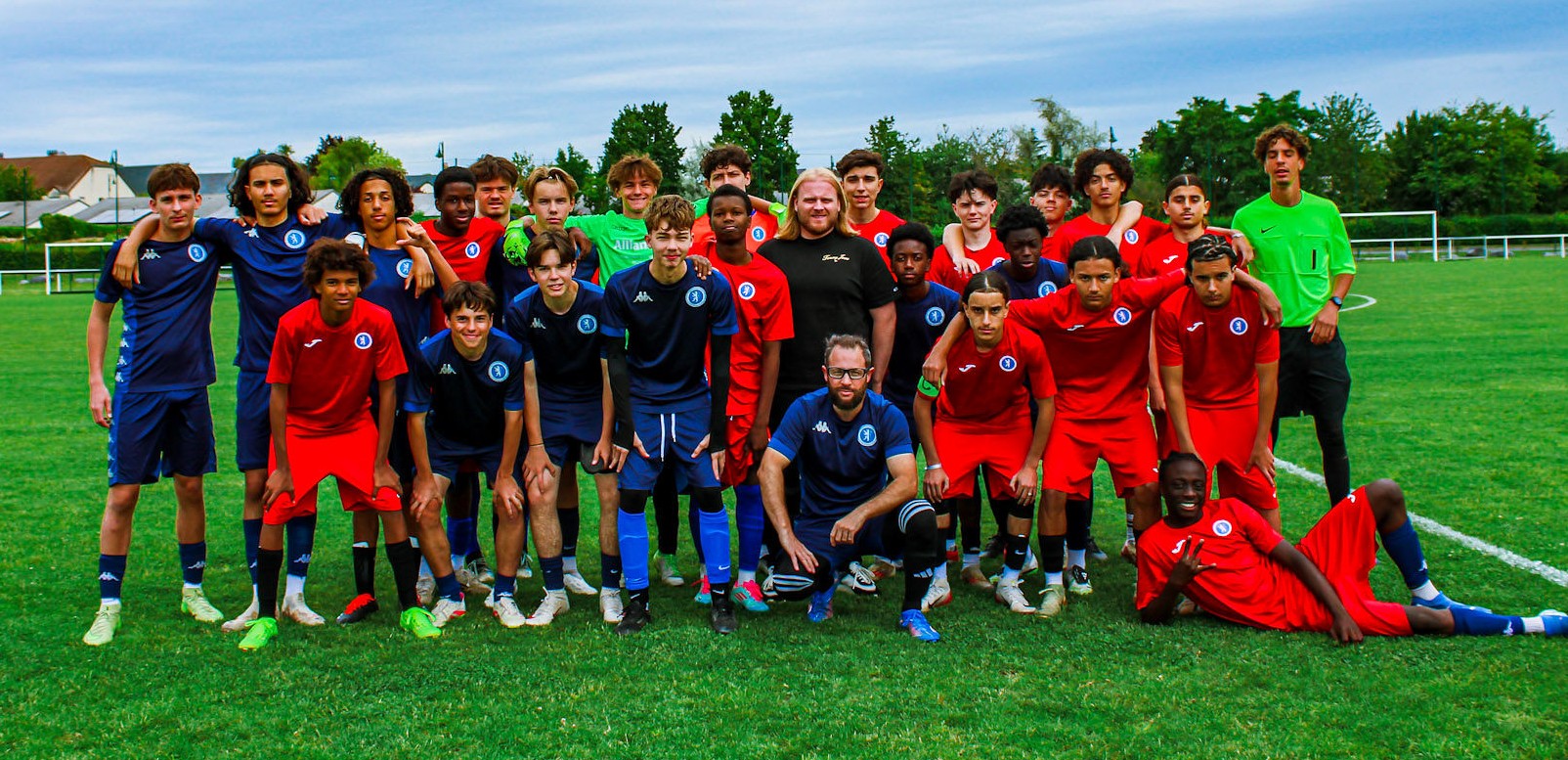
BEZANNES ATHLETIC FC · Champions D1 Grand Est · Printemps 2026
Fig. 5 · L'équipe championne · Printemps 2026
Partie 6

Le nouveau rôle du coach

Du tacticien-motivateur à l'architecte comportemental

Le coach moderne est déjà tacticien, préparateur, gestionnaire, communicant. Le coach de demain, celui qui fera la différence, sera d'abord architecte des états comportementaux : capable de lire les profils de ses joueurs au naturel, sous stress et sous stress traumatique ; de construire à l'entraînement les contextes qui maximisent la progression de chacun ; de déclencher en match le flow collectif que le scénario exige.

Ce n'est pas une compétence supplémentaire. C'est la compétence qui conditionne le rendement de toutes les autres. Le meilleur plan tactique du monde ne survit pas à un vestiaire en zone grise. Le meilleur programme physique du monde détruit un joueur en stress traumatique chronique.

La carte du coach architecte

Figure 1 La carte du coach architecte
LE COACH ARCHITECTE EXPRESSION OPTIMALE talents & collectif au max EXPRESSION MOYENNE EXPRESSION MINIMALE stress subi → talents bridés CADRE UNIQUE rigide (−) CADRE ADAPTÉ sur-mesure (+) STRESS MAÎTRISÉ (−) STRESS SUBI (+)

Tout ce qui précède peut se condenser en une seule image, à deux axes. En abscisse, l'adaptabilité du cadre : d'un cadre unique et rigide, identique pour tous, jusqu'à un cadre adapté, ajusté au profil de chaque joueur et aux exigences de chaque moment. En ordonnée, la maîtrise du stress : de la tension subie, qui déborde le joueur et le ferme, jusqu'à la tension maîtrisée, celle que le coach dose et oriente. Ce sont les deux leviers de l'architecte, et la performance comportementale d'un groupe se lit à l'endroit qu'il occupe dans cet espace.

Trois zones s'y dessinent. En haut à droite, lorsque le stress est maîtrisé et le cadre adapté, s'ouvre la zone d'expression optimale : les talents et le collectif donnent leur maximum, et la progression est la plus forte. Son sommet, le coin le plus dense de la carte, marque le point où la maîtrise et l'ajustement atteignent leur plein régime. À l'opposé, le grand « L » rouge dessine l'expression minimale : il suffit que le stress soit subi, sur toute la bande basse et quel que soit le cadre, ou que le cadre reste figé, sur toute la colonne de gauche et quelle que soit la maîtrise, pour que les talents soient bridés et le risque de rupture s'installe. Entre les deux s'étend l'expression moyenne, qui dit une chose simple : un seul levier ne suffit pas. Un cadre parfaitement adapté n'empêche pas l'effondrement si le stress n'est pas maîtrisé ; une maîtrise parfaite du stress laisse les individus à l'étroit si le cadre reste uniforme.

C'est dans ce déplacement que se loge, tout entier, le métier d'architecte : non pas choisir entre tenir le groupe et libérer l'individu, mais conduire en permanence son équipe vers ce coin supérieur droit, en agissant de front sur les deux leviers, lire pour adapter le cadre, doser pour maîtriser le stress. La carte ne prescrit pas une recette ; elle nomme l'espace où se construit, désormais, la valeur ajoutée du coach.

Ce que cela implique

Pour les coachs : une formation à la lecture comportementale, au même titre que la formation tactique. Pour les clubs : des outils de diagnostic systématiques, intégrés au suivi des joueurs comme le sont les données GPS et médicales. Pour les institutions : reconnaître que la dimension comportementale n'est pas du « mental » au sens vague, mais une couche de performance mesurable, pilotable et reproductible.

Une convergence qui dépasse nos frontières

Cette vision n'est pas isolée. Franck Thivilier, instructeur FIFA, UEFA et AFC, fort de vingt-sept ans à la Direction Technique Nationale de la Fédération Française de Football, et aujourd'hui directeur de la performance au sein du football saoudien, développe une approche dont il pose publiquement les fondations. Son modèle ECR décrit trois forces externes que l'organisation doit construire : l'Environnement, qui soutient les forces internes au lieu de les épuiser ; le Climat, qui nourrit la confiance et la sécurité psychologique ; le Récit, qui relie l'action quotidienne à une finalité plus grande. Il y articule une définition de la motivation empruntée à Vallerand et Thill[9], comme ensemble de forces internes et externes orientant la conduite. Il prolonge récemment cette réflexion vers la question de l'héritage, en s'appuyant sur les travaux de Jim Collins relatifs au niveau de leadership le plus élevé[7] et sur l'analyse d'Edgar Schein concernant la culture encodée dans les organisations[8] : la véritable mesure d'un coach ne serait pas ce qu'il gagne, mais le système qui continue de faire grandir ceux qui le traversent une fois qu'il a passé la main. Le manager y devient, selon ses propres mots, « architecte des forces externes qui libèrent les individus ».

La convergence est frappante, jusque dans le vocabulaire, et elle dessine deux faces complémentaires d'un même métier. Là où cette approche se fait architecte des forces externes et durables, l'environnement, le climat, le récit qui survivent à leur concepteur, le travail présenté ici se fait architecte des états internes et individuels : lire, chez chaque joueur, ce qui le met en mouvement ou le ferme. Les deux ne se confondent pas et ne se substituent pas. Rendre un système plus nourrissant pour l'individu suppose précisément de savoir lire ce qui nourrit chaque individu. C'est à cette jonction, entre l'architecture du système et l'instrumentation de l'humain, que se situe la contribution de ce travail.

Cette convergence se prolonge dans la pratique. Quinze années d'accompagnement de dirigeants, plus de 3 500 coachings en entreprise (Google, ENGIE, Airbus, HEC Paris, BDO, PMI, Fraikin, Mobivia, Bertrandt, entre autres), font apparaître un schéma récurrent dans la façon dont un collectif se construit pour durer :

  1. un système de valeurs ;
  2. une vision commune ;
  3. une mission commune ;
  4. un pourquoi compris et partagé, creusé jusqu'à sa racine (jusqu'à sept niveaux) ;
  5. des objectifs communs à court, moyen et long terme ;
  6. la connaissance de soi de chacun : talents, profils comportementaux, axes de progrès ;
  7. une culture commune qui émerge des points précédents : langage, attitudes, rituels, règles ;
  8. des process et des actions quotidiens et réguliers ;
  9. une boucle continue d'auto-évaluation, de feedback et d'apprentissage.

Trois familles d'indicateurs en mesurent la santé : quantitatifs, qualitatifs et culturels.

Ces trois familles recoupent presque terme à terme les trois critères de durabilité énoncés par Thivilier, des résultats dans la durée, le bien-être des individus, un apprentissage continu et transmissible. Le mécanisme d'héritage se lit alors clairement : tant que le socle des quatre premiers points (valeurs, vision, mission, pourquoi) n'est pas modifié, le système se régénère et le leadership s'ancre dans le temps, au-delà de son architecte. Ce schéma, issu de la pratique et non d'un protocole validé, déborde le cadre de cet article ; il suffit ici d'en montrer la jonction. Car c'est précisément là que l'architecture comportementale trouve sa place : la connaissance de soi, et la culture qui en émerge, sont les maillons où la lecture des profils devient le ciment du collectif durable.

Ce que la méthode n'est pas, et ses limites assumées

L'honnêteté intellectuelle exige de nommer ce que cette approche ne fait pas. Elle ne remplace ni le suivi médical, ni le travail tactique, ni la préparation physique, ni la donnée de performance : elle est une couche qui conditionne le rendement des autres, pas un substitut. Les analyses des joueurs professionnels cités sont des lectures comportementales établies sur des comportements publics multi-contextes, et non des diagnostics cliniques de joueurs testés directement.

L'étude de cas du FC Bezannes est, par nature, une étude de cas unique. Ses interventions multiples, comportementales, physiques et pédagogiques, n'étaient pas des variables indépendantes empilées au hasard, mais une architecture cohérente conçue et pilotée de bout en bout par un seul architecte, à travers la grille comportementale. Cela renforce l'attribution des résultats au pilotage global et à son caractère intentionnel. La rigueur impose néanmoins de le dire : cela ne permet pas encore d'isoler strictement la contribution propre de la couche comportementale par rapport aux autres leviers. Seuls des protocoles de recherche dédiés, qu'un partenariat académique permettra, trancheront cette question d'attribution fine.

Enfin, le modèle DISC fait l'objet de débats dans la littérature psychométrique. C'est précisément pourquoi la méthodologie FOOTUR ne repose pas sur le DISC seul, mais sur sa triangulation avec les motivateurs, l'observation multi-contextes, et surtout l'épreuve des prospectives falsifiables. Le DISC appliqué au sport fait par ailleurs l'objet de travaux publiés en revue à comité de lecture[2], qui soulignent eux-mêmes le caractère émergent du champ. Une grille de lecture ne vaut que par sa capacité à être mise en défaut, et à ne pas l'être.

Et demain : l'intelligence artificielle au service de la lecture humaine

Une dernière ouverture s'impose. Bien utilisée, c'est-à-dire au service de la lecture humaine et jamais à sa place, l'intelligence artificielle peut démultiplier ce travail : affiner les analyses comportementales, croiser les profils avec les données de match, anticiper les évolutions d'état d'un joueur ou d'un collectif, et rendre l'accompagnement comportemental accessible à des structures qui n'auront jamais le staff d'un club de l'élite. C'est le pari de FOOTUR, et la saison de Bezannes en a été le premier laboratoire : l'intelligence artificielle n'a pas coaché les joueurs, elle a permis au coach de les lire mieux, plus vite, et plus finement.

FOOTUR · les 4 lectures d'un joueur Joueur A · exemple fictif
DISC Profil comportemental Naturel Sous stress D I S C
WPMOT 6 moteurs de motivation Théorique 78 Utilitaire 55 Esthétique 62 Social 70 Individualiste 40 Traditionnel 48
Ego · « Le Guerrier Lucide » SOCLE DE L'ÊTRE 71 / 100 Fiabilité : fiable Maturité 74 Conscience 70 Ouverture 66 Ambition 80 Vue coach. Le joueur, lui, ne voit jamais de score : 2 forces, 1 axe, 1 action.
10 dimensions Évaluation footballistique Éval. coach Auto-éval. Physique Vitesse Endurance Technique Passes Vision Défense Mental Valeurs Ambition
Une lecture, quatre angles : comportement (DISC), moteurs de motivation (WPMOT), maturité psychologique (Ego · « Le Guerrier Lucide ») et niveau footballistique (10 dimensions). Profils et valeurs fictifs, à seule fin d'illustration. Côté joueur, l'Ego ne renvoie jamais de score : deux forces, un axe, une action.

Au-delà de la performance : un enjeu de société

Il faut le dire en conclusion : ce choix d'architecture comportementale dépasse largement le terrain. Le football mondial offre aujourd'hui deux philosophies en miroir. D'un côté, un management qui assigne à l'humain et au jeu des places clairement définies, cadre commun, solidarité, travail de fond, constance, préservation de la santé physique, physiologique et émotionnelle des joueurs, et qui ancre le collectif dans un projet long plutôt que dans le court terme et les egos. De l'autre, un football égotique et starifié, fait d'instabilité, de valse des entraîneurs, de collectifs sous tension et de scandales à répétition, un sport mondial qui se transforme parfois en mauvaise série B, voire en téléréalité.

Deux philosophies du même sport. Deux images. Deux impacts diamétralement opposés sur le monde, et sur la jeunesse qui les regarde.

Le coach qui devient architecte des états comportementaux ne fait donc pas qu'optimiser une performance : il choisit lequel de ces deux footballs il transmet, à ses joueurs, à leurs familles, et à tous ceux qui s'en inspirent.

Le talent est donné. Le travail est exigé. Mais la performance, elle, se construit, et elle se construit d'abord dans les états comportementaux des joueurs.

C'est là, exactement là, que se joue désormais le rôle du coach.

Notes méthodologiques

Sur l'analyse comportementale des joueurs professionnels. Les profils des joueurs cités sont des analyses comportementales, et non des diagnostics cliniques, établies à partir de l'étude croisée de leurs comportements publics : déclarations, langages verbal, non verbal et paraverbal, et surtout comportements observés en match et dans des moments de tension extrême (scandales, confrontations médiatiques, fins de match sous pression), où l'humain se livre le plus. Chaque profil est triangulé sur plusieurs contextes distincts ; pour Mbappé : Monaco, PSG, Real Madrid et équipe de France. Cette capacité d'analyse s'appuie sur plus de quinze ans de pratique et plusieurs milliers de profils analysés : plus de 3 500 dirigeants accompagnés (Google, ENGIE, Airbus, HEC Paris, BDO, PMI, Fraikin, Mobivia, Bertrandt, entre autres), plus de 300 formations DISC, des diagnostics terrain complets (DISC en trois couches, motivateurs, EGO TEST « Guerrier Lucide ») et une expérience de coach de football de terrain.

Sur la mesure des progressions (+30 % à +60 %). La fourchette correspond aux progressions individuelles mesurées entre la première et la dernière évaluation, la progression collective moyenne du groupe se situant à l'intérieur de cette fourchette, sur dix dimensions couvrant les registres physique, technique, tactique et comportemental (Impact, Vitesse, Endurance, Technique, Passes, Vision, Défense, Mental, Valeurs, Ambition), chacune notée sur 10. Le protocole comporte trois temps : une évaluation initiale par le coach, puis deux évaluations croisées associant l'évaluation du coach et l'auto-évaluation du joueur (quatrième trimestre 2025 et deuxième trimestre 2026), l'ensemble étant tracé et horodaté dans la plateforme FOOTUR. La fenêtre de mesure varie de cinq à sept mois selon les joueurs, l'évaluation initiale d'un effectif d'une trentaine de joueurs avec ce niveau de précision s'étant nécessairement étalée sur plusieurs semaines. Cette mesure demeure observationnelle, sans groupe contrôle ni instrument psychométrique externe ; ces limites sont assumées dans la section dédiée.

Documentation. L'intégralité de la saison du BEZANNES ATHLETIC FC (ex. FC Bezannes 2050) U18, résultats, classements officiels, témoignages et méthode, est documentée et consultable publiquement, de même que les prospectives publiées en amont des faits. → Voir les témoignages vidéo ci-après.

FOOTUR · Terrain

BEZANNES ATHLETIC FC · Les témoignages

Une seule vidéo, neuf voix. Selim Saadi raconte l'architecture de l'intervention, les joueurs et les dirigeants en portent la trace. Utilisez les boutons pour naviguer entre les chapitres.

Témoignages recueillis avec l'accord des joueurs et des dirigeants · BEZANNES ATHLETIC FC (ex. FC Bezannes 2050) · Saison 2025-2026

Références

  1. Marston, W. M. (1928). Emotions of Normal People. Kegan Paul, Trench, Trubner & Co. (origine du modèle DISC).
  2. Masen, E., Hedlund, D., & Tingle, J. K. (2022). The use of DISC behavioral profiling and training: an innovative pedagogical strategy to enhance learning and future career opportunities in sport management and sport coaching higher education classrooms. Journal of Higher Education Athletics & Innovation, 1(9).
  3. Strauss, B., Tamminen, K. A., Tietjens, M., et al. (dir.). Psychology of Crises in Sport: Causes, Consequences and Solutions. Routledge.
  4. Vygotski, L. S. (1978). Mind in Society: The Development of Higher Psychological Processes. Harvard University Press (concept de zone proximale de développement).
  5. Csikszentmihalyi, M. (1990). Flow: The Psychology of Optimal Experience. Harper & Row.
  6. Athlete Assessments (2023). DISC Profiling in Sport: Technical Manual (évaluations de fidélité et de validité de construit par l'Assessment Standards Institute) ; voir aussi les programmes de recherche sur la performance de pointe identifiant la relation entraîneur-athlète et la conscience de soi parmi les premiers contributeurs à la performance.
  7. Collins, J. (2001). Good to Great: Why Some Companies Make the Leap and Others Don't. HarperBusiness (concept de leadership de niveau 5).
  8. Schein, E. H. (2010). Organizational Culture and Leadership (4ᵉ éd.). Jossey-Bass.
  9. Vallerand, R. J., & Thill, E. E. (1993). Introduction à la psychologie de la motivation. Vigot.
  10. Wenger, A., dans RMC Sport, « Wenger : 17 ans à Arsenal, 17 grandes phrases », 1er octobre 2013.
  11. Nasri, S., analyses publiques (Canal+, 2024-2025) sur le leadership et son effet d'entraînement dans le vestiaire.
  12. Wenger, A., dans Brut, « 5 conseils d'Arsène Wenger pour avoir un mental de gagnant », 2 juillet 2019.
  13. Gershon, M. D. (1998). The Second Brain. HarperCollins (système nerveux entérique ; neurogastroentérologie).
  14. Armour, J. A. (2004). Basic and Clinical Neurocardiology. Oxford University Press (système nerveux cardiaque intrinsèque, le « petit cerveau » du cœur).
  15. « The Vagus Nerve at the Interface of the Microbiota-Gut-Brain Axis », Frontiers in Neuroscience (2018) ; ratio 80 % afférent / 20 % efférent d'après Agostoni et al. (1957).
  16. Damasio, A. R. (1994). Descartes' Error: Emotion, Reason, and the Human Brain. Putnam (hypothèse des marqueurs somatiques).
  17. Réseau EVH, reseau-evh.com (réseau de dirigeants ; leadership vivant et aligné du dirigeant).

FOOTUR · Feature article

The coach, architect of behavioral states

From the individual to collective flow: in training and in competitive matches

A working paper with scientific and professional intent. This article proposes a framework for reading the coach's role grounded in behavioral analysis, illustrated by four elite trajectories and by a field case study documented from start to finish (BEZANNES ATHLETIC FC (formerly FC Bezannes 2050) U18, 2025-2026 season).

Selim Saadi · Behavioral coach · FOOTUR
Selim Saadi coaching

Professional football evaluates its players through two dominant lenses: talent and workload. This article defends a complementary thesis: between progress and burnout, between performance and injury, the decisive variable is the player's behavioral state, and the coach's ability to read it and then to steer it. Three states are distinguished (natural, moderate stress, traumatic stress), anchored in established theoretical frameworks (Vygotsky's zone of proximal development[4]; Csikszentmihalyi's flow state[5]) and instrumented by a DISC-type behavioral grid, whose origin traces back to the work of William Moulton Marston[1] and whose application to sport is the subject of an emerging body of literature[2]. The demonstration draws on four elite cases, then on a case study conducted in real conditions. Observational in nature, this work must be replicated; its methodological limits are detailed in the article.

BEZANNES ATHLETIC FC team at the final whistle · D1 Grand Est Champions 2025-2026
Fig. 1 · BEZANNES ATHLETIC FC · D1 Grand Est Champions 2025-2026
Part 1

The double myth: talent and effort are enough

Professional football still rests largely on two beliefs. The first: talent makes the difference. The second: work does the rest. Scouting, physical data, training volume, tactical load, the entire ecosystem is built around these two pillars. Arsène Wenger, who was one of their great practitioners and theorists, sums up the second belief in a now-famous line:

"No one has enough talent to live on talent alone. Without work, you go nowhere."Arsène Wenger

The proposition is correct, but it is incomplete. Football today knows almost everything about the player's body, and almost nothing about what happens above the shoulders. Wenger himself returns to this: "The explanation is often found inside you"; that, he says, is where one must detect what was missing in order to come back stronger[12].

This "inside" deserves attention, for it is not merely a matter of the head. A formula I owe to the EVH network[17], that network of leaders committed to living, aligned leadership which I was part of about a decade ago, sums it up in three words: head, heart, gut. And neuroscience has since given this intuition a concrete basis.

The human being does not decide with a single brain, but with three neural networks in dialogue. The gut houses an enteric nervous system, the "second brain" of the neurogastroenterologist Michael Gershon, some hundred million neurons, more than the spinal cord[13]. The heart has its own intrinsic nervous system, the "little brain" described by the neurocardiologist J. A. Armour, some forty thousand neurons[14]. Above all, the direction of flow is not the one we assume: about 80% of the vagus nerve's fibers are afferent, meaning they carry information up from the body to the brain, and not the other way around[15]. The body does not only receive orders from the head; it sends it more than it receives.

This architecture has a direct consequence on the pitch. Deciding under fire, in urgency and uncertainty, is not a purely cognitive act: signals from the heart and the gut guide the choice, often before conscious thought, what research has called, since Damasio, somatic markers[16]. Game sense, the intuition of the right call, composure under pressure all play out at the intersection of the three centers. This is precisely what FOOTUR reads. To analyze a player's behavior is not to measure an abstract, secondary "mental"; it is to read a neuro-behavioral system in which emotion and instinct are not the noise that interferes with performance, but part of its engine.

Emotion and instinct are not the noise that interferes with performance, but part of its engine.

Head · Heart · Gut · The neural triptych · Three processing centers in constant dialogue

For the most closely followed careers of the past decade tell another story. A story in which immensely talented and hard-working players plateau, collapse or destroy themselves. Not for lack of quality or effort, but because effort, poorly calibrated, in the wrong context, with the wrong dispositions and failing support, does not drive progress: it exhausts, it injures, it destroys.

Four cases, four distinct mechanisms, illustrate this with almost clinical precision.

Ousmane Dembélé: the body that speaks when words fail

Dembélé long bore the label of the "fragile" player, "made of glass," "chronically injured." More than a hundred matches missed at FC Barcelona. Yet the behavioral analysis of his career reveals a troubling pattern: Dembélé does not get injured when his body is tired, but when something specific is missing.

His natural behavioral profile is I-S (Influence-Steadiness). Two fundamental needs structure his balance: being loved and recognized by his coach (the I dimension), and feeling secure, in his place, in a stable situation (the S dimension). When these two needs are met, at Rennes with Montanier, at Dortmund with Tuchel, at PSG with Luis Enrique, the result is consistent: no muscle injuries, and performances at the highest level, up to the Ballon d'Or.

When uncertainty sets in, relational or contractual, the S profile somatizes. The body expresses what words do not say. Barça from 2017 to 2021 was permanent uncertainty: a succession of coaches, the pressure of a one-hundred-and-five-million-euro transfer, tense negotiations. The result reads in repeated injuries. What the football world calls "fragility" is in fact a perfectly identifiable psychosomatic mechanism.

Dembélé has no intrinsic physical fragility.

His body is not fragile. It is honest.

Samuel Umtiti: chronic traumatic stress

The Umtiti case illustrates the most destructive mechanism: traumatic stress settled in over time, under institutional pressure. Let us state at once what this case is not. The initial trigger is purely physical: a left knee hurt before the 2018 World Cup, worsened by pushing through to play and win the tournament, damaged cartilage. No one will claim that stress caused this injury.

It is what followed that concerns our subject. Conservative treatment preferred to surgery, the failure of that treatment, chronic injuries. And around this body that no longer responds, a context the player himself described publicly years later: the harsh criticism and the endless debate about his case, progressive isolation to the point of no longer wanting to leave his room, the feeling of running into closed doors at his own club, a recovery carried out largely alone. He would speak of a "mini-depression." And he would identify the way out himself: putting words to what he felt, talking, which allowed him, he says, to become a different man. His retirement, at thirty-one, in September 2025, closes this trajectory.

This is neither a lack of talent nor a lack of work. It is a physical trauma turned spiral, because the environment was able neither to read nor to support the behavioral state of a player in chronic suffering. Under prolonged traumatic stress, the player does not merely regress: he closes up and hardens into survival patterns. And when the way out finally comes, it comes through where it could have begun: speech, listening, reading the man behind the knee.

Antoine Griezmann: proof by return

Griezmann offers the reverse demonstration, and perhaps the most convincing one, because it is observed at an age when the slope is supposed to descend. Recall the trajectory. Revealed at Real Sociedad, he reached his peak at Atlético Madrid between 2014 and 2019, where he became one of the best forwards in the world. His transfer to FC Barcelona, from 2019 to 2021, proved disappointing: he never found his behavioral place or his best output there. He then returned to Atlético, first on loan, then permanently, and there rediscovered the environment that suits him: a coach who knows him, a club whose identity he embodies, the status of senior figure and captain.

The 2025-2026 season provides a striking illustration. At thirty-five, Griezmann begins the campaign with a diminished status as a substitute, coming on late in matches, and goes through a drought of nearly eight months without scoring in the league. Then the level returns. He ends his run against Real Madrid, scores his two-hundredth goal in an Atlético shirt, reaches his two-hundredth league goal, and proves particularly decisive on the European stage. Let us be precise and honest: his league statistics remain modest compared to his prime; this is not a return to his top-scorer output, but a real upturn in his influence and decisiveness, at an advanced age for a forward of this level.

Griezmann did not transform physically between his seasons of wear and this upturn. It is the behavioral context that changed. The level returns, despite a more advanced age, because the environment, this time, supports the man instead of eroding him. This is what talent and work, alone, cannot explain.

Kylian Mbappé: when the profile takes control of the framework

The fourth case is the most current, and the most instructive for understanding what plays out between a profile and its environment.

Mbappé's behavioral profile, observed over ten years and four contexts (Monaco, PSG, Real Madrid, the France national team), is built around the S, C and I dimensions: steadiness, conscientiousness, influence. With one remarkable absence: the D dimension, that of the dominant who confronts. The test is simple and observable by anyone. In ten years of a top-level career, no image shows him grabbing a teammate by the collar to shake him, shouting hard at a partner to correct him, holding a prolonged face-off, or rallying his dressing room after conceding a goal. Yet that is exactly what a D profile under pressure produces, a Sergio Ramos, a Cristiano Ronaldo.

A crucial distinction is needed here, one that football systematically confuses: talent is not leadership. Mbappé is what one might call an elite sniper. Precision, speed, finishing, focus: probably the best in the world in his zone of excellence. But a sniper does not lead an army. To unite, to decide under fire, to carry the group, to galvanize, that is another job and another profile. The tragedy of his trajectory lies in one sentence: a general's role was entrusted to, and claimed by, a sniper's profile. The former international Samir Nasri, a pundit on Canal+, publicly noted as early as 2024 that the knock-on effect of this positioning spread through the dressing room, even influencing the behavior of a Vinicius[11].

A general's role was entrusted to, and claimed by, a sniper's profile.

Under heavy stress, his C races and turns into an obsession with control: to master everything, to anticipate everything, to lock everything down, including the framework itself. But in the manner of a C, never a D, that is, without direct confrontation and without putting himself at risk. From a distance.

Now a C profile under stress obeys a simple law: if it is not contained by a framework more structuring than itself, it is the C that takes control of the framework. This is precisely what happened at PSG before Luis Enrique's arrival: a player in a position of absolute strength, praised by the entire planet, facing an institution that had neither the will nor the behavioral means to set his limits. The only authority that held over time is the one that structurally exceeds him: the institution that is the France national team, not the man who embodies it, but what it represents.

Then comes Real Madrid's strategic error. To attract him, the presidency grants him power. But a C profile given control never gives it back willingly. Two disappointing seasons later, a fractured dressing room, an isolated player, and above all, for the first time in his career, a position of real weakness.

It is exactly this window that makes the arrival of a coach like José Mourinho potentially decisive. Not because Mourinho would be a magician, but because it is Mourinho, now, in this precise timing, who can allow himself to impose a framework more dominant than Mbappé's need for control. A framework strong enough for the C to finally accept letting go, so that there emerges, perhaps belatedly, a more altruistic and more collective version of his game, anchored in an all-round performance.

Timing and context open the possibility. Not the man alone, despite his pedigree.

What these four cases say together

Four players, four profiles, four mechanisms, one single conclusion.

The behavioral context that the coach builds, or lets unravel, is the decisive variable between progress and burnout, between performance and injury.

Talent is not a ceiling: it is a variable, important but partial, and rarely monolithic, a bundle of abilities (finishing, the final pass, game orientation) that can be redeployed. Work is another. What decides their actual expression is the player's behavioral state.

Table 2 Summary of the four cases
PlayerDominant profileObserved mechanismDecisive variable
DembéléI-SSomatization under relational uncertaintyEmotional security and recognition
UmtitiS sufferingUnsupported physical and psychological spiralReading and dialogue, upstream
GriezmannStrong emotional frameworkErosion in a bad context, recovery in a good oneAn environment that supports the profile
MbappéS-C-I, no DTakes control of the framework for lack of a stronger oneHigher structuring authority
Part 2

Three states, three realities: understanding the player

Every player moves constantly between three behavioral states. To confuse them is to condemn oneself to coaching blind. Recall that reading these states relies on the DISC grid mentioned at the outset, inherited from Marston[1]: four observable behavioral dimensions, whose shift one tracks according to the level of tension.

The natural state: the stable window

In the natural state, the player expresses his base behavioral profile, his spontaneous way of acting, communicating, learning, connecting with others. It is the most legible and most stable state, the one in which the coach can observe the player's true tendencies, his drivers, his natural supports.

It is in this state that the foundation of progress is built: learning is regular, cognitive availability maximal, the relationship with the coach and teammates fluid.

Moderate stress: the window that can widen

Contrary to a received idea, stress is not the enemy of learning. Under moderate stress, some capacities close, but others open, sometimes more widely than in the natural state. A player placed under calibrated tension can access levels of intensity, concentration or surpassing that his natural state never triggers.

This intuition joins two solidly established theoretical frameworks. First, Vygotsky's zone of proximal development[4]: one progresses most at the frontier of one's current abilities, neither below it nor too far beyond it. Then Csikszentmihalyi's flow state[5]: that optimal balance between the level of challenge offered and the level of skill available.

The key for the coach is therefore not to eliminate stress, but to dose it and direct it: enough tension to open the windows, never enough to close them.

Traumatic stress: the shutdown

Beyond a certain threshold, a violent conflict with a teammate, public humiliation, existential insecurity about one's place, the player tips into traumatic stress. There, the windows close. Behavior radicalizes, learning stops, the player enters survival mode. In training it is rare, but it happens. Over time, it is the Umtiti mechanism. In the body, it is the Dembélé mechanism.

There is also a fourth state, more insidious: the grey zone, neither clear security nor explicit rejection. The player has neither the certainty that soothes nor the identifiable adversity that mobilizes. It is passive uncertainty, and for certain profiles, it is the worst of poisons.

A point of method is needed here, for it prevents a frequent error. There is no mechanical rule of the type "this sign equals this state." The transition from one state to another is not read from an isolated signal. The same behavior may stem from moderate stress in one player and traumatic stress in another. Some profiles shift from one dimension to another, from a conscientious register toward an influencing one for example, under simple stress, without any trauma. Accurate reading is done through a convergent bundle of cues, observed over time and always compared with the natural behavior of this precise player. This is what distinguishes a serious behavioral grid from an automatic test, and what makes the practitioner's trained eye irreplaceable. Research in sport psychology devoted to crises points the same way: crises do not arise from nowhere, they settle in, and it is their settling-in, their causes and their trajectories that become legible to whoever observes the right signals over time[3].

Table 3 The three behavioral states
StateWhat happensFor learningCoach's role
NaturalThe profile expresses itself spontaneouslyFoundation: regular, availableObserve, establish the baseline
Moderate stressSome windows close, others openLever: surpassing possibleDose and direct the tension
Traumatic stressShutdown, radicalization, survivalStop: no more progressRecognize fast, secure, support
Grey zoneNeither security nor clear adversitySlow erosion, disengagementRemove the ambiguity, restore a course

These states, observed on the ground

These three states are not abstractions. These behavioral approaches have existed for more than fifty years in business (the ground on which I built my own practice for fifteen years, without the layer of traumatic stress that FOOTUR adds to it) and they are increasingly taking hold in professional sport. The BEZANNES ATHLETIC FC (formerly FC Bezannes 2050) season put them on display. The examples that follow are real and simply anonymized, because they involve minors.

The grey zone first. A playmaker in the squad, among the most talented, was so disengaged that he no longer wanted to play: neither clear security nor identifiable adversity, only a loss of meaning. The work focused on his why, on what he still expected from football. With meaning restored, a natural leadership re-emerged that nothing had hinted at: he became the voice of the dressing room in difficult moments. To leave the grey zone is to rediscover the window of the natural state.

Moderate stress next, as a lever. A technically gifted forward was sabotaging himself for lack of confidence in his shooting. The eve of an important match, an individual session focused on a single thing, his shots, with explicit permission to miss: the next day, two goals against one of the best teams in the group. Another player, after a penalty missed in training, wanted to withdraw; reframed and re-projected not toward training but toward the coming match, he scored three goals on the decisive day.

Tension, calibrated and directed, opens the window that the natural state alone does not trigger.

Traumatic stress, finally. At mid-season, a violent conflict erupts between two players, the kind of moment that shatters a group. Rather than smothering it, it was addressed: the two players apologized in front of the collective, by choice and not under constraint. The group came out of it more united. Recognizing the tipping point fast, securing, supporting: that is what turns a traumatic trigger into a foothold rather than a fracture.

One last case deserves to be set beside the very first in this article. A seventeen-year-old player, whom we will call Aly (a pseudonym), shares Dembélé's natural profile: Influencing, oriented toward the collective, loved in the dressing room. But where Dembélé, under stress, withdraws and internalizes in silence, Aly tips the other way: he becomes critical, cutting, and can disengage overnight. Same starting profile, two opposite stress windows. Once this mechanism was understood, the support was adjusted, more recognition, a ritual of acknowledgment after every match, vigilance ahead of any disengagement, and the player became again the positive leader he was. The same grid, read at seventeen in a district league or at the world's summit, calls for the same gesture: individual coaching, profile by profile.

The reading tools

Reading these states is not a matter of intuition alone. Tools exist and complement one another.

DISC, drawn from Marston's work[1], maps the behavioral profile along the four dimensions presented at the outset, and reveals each player's fundamental needs, fears and reactions. It unfolds in two layers in its classic version, the natural profile and the adapted profile under stress, to which FOOTUR adds a third, novel layer: the profile under traumatic stress. WPMot identifies the deep motivational drivers, what truly sets the player in motion. The "Lucid Warrior" EGO TEST, developed by FOOTUR, assesses the capacity for self-questioning, learning and connection, to oneself and to others. Neuro-linguistic programming, finally, completes the toolkit on internal states: anchors, reframings, steering of representations.

Together, these tools turn the intuition of great coaches into a reproducible system.

The 3 behavioral states · Natural · Adapted · Traumatic · FOOTUR proprietary reading
Part 3

The coach in training: architect of progress

Training is the territory where the coach has the most control over the context. It is there that progress, individual and collective, is decided.

Read before acting

The coach's first mission is to know each player in his natural state: how he learns, how he communicates, what makes him feel secure, what puts his back up. Without this reading, every intervention is a gamble.

Dose stress as a pedagogical variable

Once the profiles are read, stress becomes an intentional tool. Raising the pressure on a drill for a player who opens up under tension. Lowering it for one who closes down. Setting up a calibrated internal competition. Protecting a player in a zone of fragility. The coach no longer suffers his players' states: he steers them.

Manage the traumatic when it arises

A conflict between teammates, a humiliation, a breach of trust: traumatic stress sometimes arises in training. The coach who knows how to recognize it intervenes fast, for he knows that a player in this state no longer progresses and can contaminate the collective.

This is precisely what Unai Emery lacked before the 2017 "Remontada." Facing a vengeful Barça and a context of extreme pressure, the absence of a stabilizing behavioral framework, of collective security installed upstream, let the team tip collectively into a state of overwhelmed stress. The 6-1 is not first of all a tactical collapse. It is a collective behavioral collapse that nothing had been built to prevent.

From the individual to the collective

Individual work is the foundation; collective architecture is the edifice. Knowing the profiles makes it possible to compose drill pairings, to anticipate frictions, to identify the natural relays of leadership, and to build a team's behavioral framework, exactly as one builds a tactical one.

Dosing stress according to the behavioral profile
Fig. 2 · The optimal tension zone varies with the DISC profile. Adapting stress to the profile means optimizing the window of progress.
Part 4

The coach in competitive matches: triggering collective flow, the right mindset

The match is another world. Stress there is structurally higher, less controllable, and charged with stakes that training never fully reproduces.

Prepare behaviorally, not only tactically

Match preparation is almost always thought of in tactical terms: block, transitions, set pieces. But depending on the opponent, the ambition, the chosen approach and the objectives, the coach must also prepare the states. What level of activation for which player? Who needs to be reassured before kick-off? Who needs to be challenged? What words, what tone, what body language to bring each player, then the collective, into the required state?

Activate the right states according to the objective

Stabilizing a defensive block calls for states of calm, concentration and solidarity, that is, a behavioral register dominated by S and C. Launching attacks, rebelling in the play, creating gaps and imbalances in the opposing defense or midfield calls for boldness, risk-taking and energy, that is, a D and I register. The coach who masters the profiles knows which players naturally embody each register, which can switch into it under the right stimulus, and how to trigger, individually then collectively, the behavioral flow that the match scenario demands.

Reading complex profiles: the cost of illegibility

There is one case where this reading skill becomes literally decisive: facing complex profiles. The relationship between Karim Benzema and Didier Deschamps offers the textbook example, seven years of misunderstanding between two of the greatest professionals in French football.

Without settling anything about the off-field affairs that have punctuated this relationship, behavioral analysis offers a reading that neither the accusation nor the defense exhausts. Benzema presents a dominant C profile with a strong secondary I: a need to be recognized for his skills (C), a need to be admired for his talent (I), and a singular behavioral signature, never direct confrontation, but needling, innuendo, the cryptic message. A provocation launched in the press while denying he means it, when he declares he does not believe Deschamps is "racist" while accusing him of having yielded to a "racist" part of France; a nighttime departure without saying goodbye; an emoji as a final word. Deschamps, for his part, presents a C-S profile: a visceral need for predictability (C), protection of the group above all (S). Now a C-S profile needs to be able to read men in order to trust them, and Benzema, structurally, is illegible to him. Each innuendo activates his fear of error; each ambiguity threatens the harmony he protects.

Four years of unwavering support, keeping Benzema against all odds despite barren spells in front of goal, handing him the captain's armband for one match in Lloris's absence, show that the problem was not the rejection of the man. The problem was the absence of tools to decode a way of functioning: to understand that this profile needed recognition of his skills more than generic declarations of trust, to anticipate that under stress he would retreat into the unsaid rather than explain himself, and to frame the communication before the innuendos became entrenched. Seven years of misunderstanding that a reading grid could have, if not erased, at least turned into collaboration.

Unmanaged behavioral illegibility costs years, for men as for teams.

Clearing as an act of management: the Luis Enrique case

Luis Enrique's work at PSG illustrates the most accomplished version of this behavioral management, and deserves a pause. To inherit a dressing room built around oversized personalities is to inherit a collective in which everyone's behavioral security depends permanently on the mood, the status and the demands of a few. In such a configuration, no stable framework holds, because the framework itself is constantly renegotiated by the most dominant egos. Collective output becomes hostage to individual states.

The decision to clear this dressing room, to push out or subordinate the egos that prevented the installation of a shared framework, is therefore not a communication choice nor a mere display of authority. It is an act of behavioral management in the strict sense: restoring first the security and coherence of the collective, the condition of possibility of any tactical ambition. Luis Enrique made the group's behavioral architecture prevail over the sum of individual talents, accepting the short-term cost of such a choice.

The mechanism deserves to be named, for it holds well beyond PSG. A clear, shared framework frees the profiles that need security to perform, neutralizes the ability of dominant profiles to capture the collective for their sole benefit, and gives the coach back mastery of the group's states. The result speaks for itself: a PSG carried to very high footballing altitudes, by a group finally behaviorally aligned, where the squad's considerable talent was able to express itself in the service of a project rather than of individualities. Where Real Madrid granted power to a profile that could only capture it, Luis Enrique's PSG made the opposite choice.

The framework first, the individual second.

The two trajectories, compared, form the clearest demonstration of the thesis defended here.

Captured framework vs shared framework · two collective architectures
Fig. 3 · On the left, the captured framework: a dominant ego centralizes and destabilizes. On the right, the shared framework: a common reference anchors every profile.
Part 5

Case study: BEZANNES ATHLETIC FC (formerly FC Bezannes 2050) U18, 2025-2026 season

Theory is one thing. Here is what it produces on a real pitch, with real players, over a full season, documented from start to finish.

The starting point: September 2025

BEZANNES ATHLETIC FC (formerly FC Bezannes 2050) U18 enters the season as a fully recreational Départementale 2 team. Twenty-seven players, some together since the U14s and many newcomers. A good-natured but scattered atmosphere, a single basic training session per week, and an ambition summed up in one phrase: to have fun, and why not go up. The behavioral symptoms are clear: quick disengagement, poor match starts, difficulties coming back out of the dressing room, a lack of consistency over ninety minutes.

The group at the first training session · FC Bezannes · September 2025
Fig. 4 · The group at the first training session · D2 recreational · September 2025

The diagnosis

As head coach, I had the squad assessed with the full FOOTUR battery: a three-layer DISC profile, motivational drivers, capacity for learning and connection. Twenty-seven players in the initial analysis, twenty-nine by season's end after the in-year arrivals. One collective finding structured every decision of the season: under stress, a majority share of the group, naturally the most conscientious and structured, slides toward an influencing, emotional register and disorganizes. The tactical system, the makeup of the lines, and even the pre-match team talks were chosen to secure this real collective, not a theoretical one.

The analysis under traumatic stress is an extension of the DISC model that I developed in building FOOTUR. Classic DISC maps the natural profile and the adapted profile under stress; the third layer, that of traumatic stress, was not part of it. Applied systematically to each player, to each tactical decision and to each address to the group, it is a dimension that even the largest organizations in the world do not exploit today.

Beyond individuals, the collective itself followed a legible behavioral trajectory. At the outset, its natural profile was dominated by conscientiousness and steadiness (C-S): a diligent, structured group, but not very assertive. Now such a collective, under pressure, does not harden; it disperses. It tips toward an influencing, emotional register (I-C), loses its bearings and disorganizes. It is precisely this reading that commanded the entire architecture of the season. A group that comes apart under stress does not need to be shaken further; it needs a clear, stable framework (a legible system, defined roles, framing team talks) that gives it back the structure and security its S and C dominants need to absorb pressure instead of melting under it. The framework did not curb the group: it held it out of the zone where endured tension dislocates expression.

And here is the most striking thing: as this framework held and the work accumulated, the group did not merely perform better within the same profile; its natural profile itself shifted. Increasingly competitive, the collective slid toward an assertive, decisive dominant, while keeping its rigor (D-C). The team did not become better by staying the same: it became, by nature, a team of competitors. A suitable framework, one that masters pressure, does not only bring a group closer to its full expression: it ends up raising the baseline from which that group plays.

The team did not become better by staying the same: it became, by nature, a team of competitors.

BEZANNES ATHLETIC FC (formerly FC Bezannes 2050) · 2025-2026 season · FOOTUR results & method

The intervention

Let us first specify the nature of this intervention, for it conditions the reading of the results. It is not an accumulation of parallel actions, but a unified architecture, designed and steered by a single architect: the ambitions set, the processes supervised, the training content, the physical and behavioral preparation, the continuous individual interviews, the management of feedback, the safeguarding of ethics and values, and the management of the assistants. Maxence and Thomas on the physical side; Axel, co-coach of the two previous seasons in D2, ensuring the administrative relay and the group's historical continuity.

The heart of this architecture is behavioral reading. It is what made it possible to obtain buy-in: getting each player to understand, in his own language, the need to work more and differently, so that the group progresses together and the level becomes more even. It is what structured the levers of cohesion, from the futsal tournament organized to bond the group to a DISC training delivered to the players themselves, to align them on a shared vision of coaching and performance. DISC does not do everything, but it is at the heart of reading, communication, management and the pursuit of performance, in training as in matches.

Concretely, the whole season's coaching was built on this data. Individually: adapting feedback, the dosing of stress and the mode of communication to each profile. The S and C profiles receive structure and clarity; the I and D profiles receive challenge and a call to action. Collectively: building the team's backbone according to the profiles and their complementarity, differentiated sessions according to the identified psychological needs, and a specific behavioral preparation for each match.

The pivotal match of the first phase illustrates this. Bétheniville (third) against Bezannes (second), prepared a week in advance, behaviorally as much as tactically. Result: 1-6 away, a goal in the second minute, no let-up, decisive substitutes, a sixth goal in the eighty-eighth. Promotion to D1 is secured.

At the mid-season break, the work changed dimension: six weeks of structured preparation. The body (core work, explosiveness, cardio, with a dedicated fitness coach), the mind (individual interviews, personalized DISC reviews, mental preparation adapted to each player), and the test, three friendlies against U19 Régional 1 teams, a year older and two divisions above. Three defeats accepted and put to use. We learned to lose in order to learn to win.

The results

In spring 2026, Bezannes is champion of D1 District Marne, top of Phase 2, with the best attack and the best defense (goal difference of +16), and secures its qualification to U19 Régional 1 for the 2026-2027 season. From recreational D2 to the regional level, in a single season, with the same core group, and individual and collective progress measured at +30% to +60% over five to seven months depending on the player (see the methodological note at the end of the article).

Table 4 The course of the 2025-2026 season
StageLevelResult
Phase 1D2 (recreational at the start)2nd, promotion secured
Pivotal matchD2, awayBétheniville 1 – 6 Bezannes
Mid-season break3 friendlies vs U19 R13 defeats accepted and put to use
Phase 2D1 District MarneChampion, best attack and defense (+16)
2026-2027 seasonU19 Régional 1Qualified

The most revealing test, however, is not a victory. During the top-of-the-table match against Montmirail, the team found itself ten against eleven, its two coaches sent off, alone on the bench, in disputed refereeing conditions. No protest from the players, no lapse, an exemplary composure praised even by the opposing supporters. That very evening, an internal poll of the group gathered thirteen votes out of thirteen for "becoming even better." That is exactly what a behavioral architecture that holds looks like.

Not a team that never loses, but a team that defeat no longer disorganizes.

What the table does not say

The table states the result. The players state the mechanism.

Before, I used to stress; now I know what I'm going to do.A midfielder in the squad

"My level went from a 6 in September to an 8 in March, the first time I can measure my progress with real numbers," reports a right-back. "My shots are ten times better when I'm confident, now I anticipate instead of reacting," observes a midfielder. "I've rediscovered the urge to play football," sums up a playmaker. The club's president himself notes a data dimension never seen at this amateur level, which pushed the players to seek their full potential.

No player changed in talent between September and June. What changed is the behavioral context in which that talent expressed itself: each one, according to his profile, secure and challenged at the right dose.

BEZANNES ATHLETIC FC · D1 Grand Est Champions · Spring 2026
Fig. 5 · The champion team · Spring 2026
Part 6

The coach's new role

From tactician-motivator to behavioral architect

The modern coach is already a tactician, a trainer, a manager, a communicator. The coach of tomorrow, the one who will make the difference, will first be an architect of behavioral states: able to read his players' profiles in the natural state, under stress and under traumatic stress; to build in training the contexts that maximize each player's progress; to trigger in matches the collective flow that the scenario demands.

This is not an additional skill. It is the skill that conditions the output of all the others. The best tactical plan in the world does not survive a dressing room in the grey zone. The best physical program in the world destroys a player in chronic traumatic stress.

The architect coach's map

Figure 1 The architect coach's map
THE ARCHITECT COACH OPTIMAL EXPRESSION talents & collective at their peak AVERAGE EXPRESSION MINIMAL EXPRESSION stress endured → talents constrained SINGLE FRAMEWORK rigid (−) ADAPTED FRAMEWORK tailored (+) STRESS MASTERED (−) STRESS ENDURED (+)

Everything above can be condensed into a single, two-axis image. On the horizontal axis, the adaptability of the framework: from a single, rigid framework, identical for all, to an adapted framework, adjusted to each player's profile and to the demands of each moment. On the vertical axis, the mastery of stress: from endured tension, which overwhelms the player and closes him down, to mastered tension, the kind the coach doses and directs. These are the architect's two levers, and a group's behavioral performance reads in the place it occupies within this space.

Three zones take shape in it. Top right, when stress is mastered and the framework adapted, the zone of optimal expression opens: talents and the collective give their maximum, and progress is strongest. Its summit, the densest corner of the map, marks the point where mastery and adjustment reach full power. At the opposite end, the large red "L" traces minimal expression: it is enough for stress to be endured, along the whole bottom band and whatever the framework, or for the framework to stay fixed, along the whole left column and whatever the mastery, for talents to be constrained and the risk of rupture to set in. Between the two stretches average expression, which says something simple: a single lever is not enough. A perfectly adapted framework does not prevent collapse if stress is not mastered; a perfect mastery of stress leaves individuals cramped if the framework stays uniform.

It is in this movement that the architect's craft lies, in full: not to choose between holding the group and freeing the individual, but to lead one's team permanently toward that upper-right corner, acting on both levers at once, reading in order to adapt the framework, dosing in order to master stress. The map does not prescribe a recipe; it names the space where the coach's added value is now built.

What this implies

For coaches: training in behavioral reading, on the same footing as tactical training. For clubs: systematic diagnostic tools, integrated into player monitoring as GPS and medical data are. For institutions: recognizing that the behavioral dimension is not "mental" in the vague sense, but a layer of performance that is measurable, steerable and reproducible.

A convergence that goes beyond our borders

This vision is not isolated. Franck Thivilier, a FIFA, UEFA and AFC instructor, with twenty-seven years at the National Technical Department of the French Football Federation, and today director of performance within Saudi football, is developing an approach whose foundations he lays out publicly. His ECR model describes three external forces the organization must build: the Environment (Environnement), which supports internal forces instead of exhausting them; the Climate (Climat), which nurtures trust and psychological safety; the Narrative (Récit), which links daily action to a larger purpose. He articulates within it a definition of motivation borrowed from Vallerand and Thill[9], as a set of internal and external forces directing conduct. He has recently extended this reflection toward the question of legacy, drawing on Jim Collins's work on the highest level of leadership[7] and on Edgar Schein's analysis of the culture encoded in organizations[8]: the true measure of a coach would not be what he wins, but the system that keeps growing those who pass through it once he has handed over. The manager becomes, in his own words, the "architect of the external forces that free individuals."

The convergence is striking, down to the vocabulary, and it traces two complementary faces of the same craft. Where this approach makes itself the architect of external and lasting forces, the environment, the climate, the narrative that outlive their designer, the work presented here makes itself the architect of internal and individual states: reading, in each player, what sets him in motion or closes him down. The two do not merge and do not substitute for each other. Making a system more nourishing for the individual presupposes precisely knowing how to read what nourishes each individual. It is at this junction, between the architecture of the system and the instrumentation of the human, that the contribution of this work lies.

This convergence extends into practice. Fifteen years of supporting leaders, more than 3,500 corporate coaching engagements (Google, ENGIE, Airbus, HEC Paris, BDO, PMI, Fraikin, Mobivia, Bertrandt, among others), reveal a recurring pattern in the way a collective builds itself to last:

  1. a system of values;
  2. a shared vision;
  3. a shared mission;
  4. a why that is understood and shared, dug down to its root (up to seven levels);
  5. shared objectives in the short, medium and long term;
  6. each person's self-knowledge: talents, behavioral profiles, areas for growth;
  7. a shared culture that emerges from the preceding points: language, attitudes, rituals, rules;
  8. daily and regular processes and actions;
  9. a continuous loop of self-assessment, feedback and learning.

Three families of indicators measure its health: quantitative, qualitative and cultural.

These three families overlap almost term for term with the three criteria of sustainability stated by Thivilier, lasting results, the well-being of individuals, continuous and transmissible learning. The legacy mechanism then reads clearly: as long as the bedrock of the first four points (values, vision, mission, why) is not altered, the system regenerates itself and leadership anchors over time, beyond its architect. This scheme, drawn from practice and not from a validated protocol, goes beyond the scope of this article; it is enough here to show the junction. For it is precisely there that behavioral architecture finds its place: self-knowledge, and the culture that emerges from it, are the links where reading profiles becomes the cement of the lasting collective.

What the method is not, and its acknowledged limits

Intellectual honesty requires naming what this approach does not do. It replaces neither medical monitoring, nor tactical work, nor physical preparation, nor performance data: it is a layer that conditions the output of the others, not a substitute. The analyses of the professional players cited are behavioral readings established on multi-context public behaviors, and not clinical diagnoses of players tested directly.

The FC Bezannes case study is, by nature, a single case study. Its multiple interventions, behavioral, physical and pedagogical, were not independent variables stacked at random, but a coherent architecture designed and steered from start to finish by a single architect, through the behavioral grid. This strengthens the attribution of the results to the overall steering and to its intentional character. Rigor nonetheless requires stating it: this does not yet make it possible to strictly isolate the specific contribution of the behavioral layer relative to the other levers. Only dedicated research protocols, which an academic partnership will make possible, will settle this question of fine attribution.

Finally, the DISC model is the subject of debate in the psychometric literature. This is precisely why the FOOTUR methodology does not rest on DISC alone, but on its triangulation with motivational drivers, multi-context observation, and above all the test of falsifiable forecasts. DISC applied to sport is moreover the subject of work published in peer-reviewed journals[2], which themselves underline the emerging character of the field. A reading grid is only worth as much as its capacity to be proven wrong, and not to be.

And tomorrow: artificial intelligence in the service of human reading

One final opening is in order. Used well, that is, in the service of human reading and never in its place, artificial intelligence can multiply this work: refining behavioral analyses, cross-referencing profiles with match data, anticipating shifts in the state of a player or a collective, and making behavioral support accessible to structures that will never have the staff of an elite club. This is FOOTUR's wager, and the Bezannes season was its first laboratory: artificial intelligence did not coach the players, it allowed the coach to read them better, faster, and more finely.

FOOTUR · a player's 4 readings Player A · fictional example
DISC Behavioral profile Natural Under stress D I S C
WPMOT 6 motivational drivers Theoretical 78 Utilitarian 55 Aesthetic 62 Social 70 Individualistic 40 Traditional 48
Ego · 'The Lucid Warrior' FOUNDATION OF BEING 71 / 100 Reliability: reliable Maturity 74 Awareness 70 Openness 66 Ambition 80 Coach view. The player never sees a score: 2 strengths, 1 focus, 1 action.
10 dimensions Football assessment Coach assess. Self-assess. Physical Speed Endurance Technique Passing Vision Defense Mental Values Ambition
One reading, four angles: behavior (DISC), motivational drivers (WPMOT), psychological maturity (Ego · 'The Lucid Warrior') and footballing level (10 dimensions). Fictional profiles and values, for illustration only. On the player's side, the Ego never returns a score: two strengths, one focus, one action.

Beyond performance: a societal stake

It must be said in conclusion: this choice of behavioral architecture goes well beyond the pitch. World football today offers two mirror philosophies. On one side, a management that assigns to the human and to the game clearly defined places, a shared framework, solidarity, deep work, consistency, the preservation of the players' physical, physiological and emotional health, and that anchors the collective in a long project rather than in the short term and egos. On the other, an egotistical, star-driven football, made of instability, a waltz of coaches, collectives under tension and repeated scandals, a global sport that sometimes turns into a bad B-movie, even into reality TV.

Two philosophies of the same sport. Two images. Two diametrically opposed impacts on the world, and on the youth who watch them.

The coach who becomes an architect of behavioral states does not merely optimize a performance: he chooses which of these two footballs he passes on, to his players, to their families, and to all those who take inspiration from them.

Talent is given. Work is required. But performance is built, and it is built first in the players' behavioral states.

It is there, exactly there, that the coach's role now plays out.

Methodological notes

On the behavioral analysis of professional players. The profiles of the players cited are behavioral analyses, not clinical diagnoses, established from the cross-study of their public behaviors: statements, verbal, non-verbal and paraverbal language, and above all behaviors observed in matches and in moments of extreme tension (scandals, media confrontations, match endings under pressure), where the human reveals himself most. Each profile is triangulated across several distinct contexts; for Mbappé: Monaco, PSG, Real Madrid and the France national team. This analytical capacity rests on more than fifteen years of practice and several thousand profiles analyzed: more than 3,500 leaders supported (Google, ENGIE, Airbus, HEC Paris, BDO, PMI, Fraikin, Mobivia, Bertrandt, among others), more than 300 DISC trainings, complete field diagnoses (three-layer DISC, motivational drivers, "Lucid Warrior" EGO TEST) and experience as a field football coach.

On the measurement of progress (+30% to +60%). The range corresponds to the individual progress measured between the first and the last assessment, the group's average collective progress sitting within this range, across ten dimensions covering the physical, technical, tactical and behavioral registers (Impact, Speed, Endurance, Technique, Passing, Vision, Defense, Mental, Values, Ambition), each scored out of 10. The protocol has three stages: an initial assessment by the coach, then two cross-assessments combining the coach's assessment and the player's self-assessment (fourth quarter of 2025 and second quarter of 2026), the whole being tracked and time-stamped in the FOOTUR platform. The measurement window varies from five to seven months depending on the player, the initial assessment of a squad of around thirty players at this level of precision having necessarily been spread over several weeks. This measurement remains observational, without a control group or external psychometric instrument; these limits are acknowledged in the dedicated section.

Documentation. The entirety of the BEZANNES ATHLETIC FC (formerly FC Bezannes 2050) U18 season, results, official standings, testimonials and method, is documented and publicly available, as are the forecasts published ahead of the facts. → See the video testimonials below.

FOOTUR · Field

BEZANNES ATHLETIC FC · The testimonials

A single video, nine voices. Selim Saadi recounts the architecture of the intervention, while the players and the club's leaders bear its mark. Use the buttons to navigate between the chapters.

Testimonials gathered with the consent of the players and the club's leaders · BEZANNES ATHLETIC FC (formerly FC Bezannes 2050) · 2025-2026 season

References

  1. Marston, W. M. (1928). Emotions of Normal People. Kegan Paul, Trench, Trubner & Co. (origin of the DISC model).
  2. Masen, E., Hedlund, D., & Tingle, J. K. (2022). The use of DISC behavioral profiling and training: an innovative pedagogical strategy to enhance learning and future career opportunities in sport management and sport coaching higher education classrooms. Journal of Higher Education Athletics & Innovation, 1(9).
  3. Strauss, B., Tamminen, K. A., Tietjens, M., et al. (eds.). Psychology of Crises in Sport: Causes, Consequences and Solutions. Routledge.
  4. Vygotsky, L. S. (1978). Mind in Society: The Development of Higher Psychological Processes. Harvard University Press (concept of the zone of proximal development).
  5. Csikszentmihalyi, M. (1990). Flow: The Psychology of Optimal Experience. Harper & Row.
  6. Athlete Assessments (2023). DISC Profiling in Sport: Technical Manual (reliability and construct-validity assessments by the Assessment Standards Institute); see also high-performance research programs identifying the coach-athlete relationship and self-awareness among the foremost contributors to performance.
  7. Collins, J. (2001). Good to Great: Why Some Companies Make the Leap and Others Don't. HarperBusiness (concept of level 5 leadership).
  8. Schein, E. H. (2010). Organizational Culture and Leadership (4th ed.). Jossey-Bass.
  9. Vallerand, R. J., & Thill, E. E. (1993). Introduction à la psychologie de la motivation. Vigot.
  10. Wenger, A., in RMC Sport, "Wenger: 17 ans à Arsenal, 17 grandes phrases," 1 October 2013.
  11. Nasri, S., public analyses (Canal+, 2024-2025) on leadership and its knock-on effect in the dressing room.
  12. Wenger, A., in Brut, "5 conseils d'Arsène Wenger pour avoir un mental de gagnant," 2 July 2019.
  13. Gershon, M. D. (1998). The Second Brain. HarperCollins (enteric nervous system; neurogastroenterology).
  14. Armour, J. A. (2004). Basic and Clinical Neurocardiology. Oxford University Press (intrinsic cardiac nervous system, the heart's "little brain").
  15. "The Vagus Nerve at the Interface of the Microbiota-Gut-Brain Axis," Frontiers in Neuroscience (2018); 80% afferent / 20% efferent ratio after Agostoni et al. (1957).
  16. Damasio, A. R. (1994). Descartes' Error: Emotion, Reason, and the Human Brain. Putnam (somatic marker hypothesis).
  17. EVH network, reseau-evh.com (network of leaders; living, aligned leadership).

FOOTUR · مقال معمّق

المدرّب، مهندس الحالات السلوكية

من الفرد إلى التدفّق الجماعي: في التدريب وفي مباريات المنافسة

نسخة عمل ذات طابع علمي ومهني. يقترح هذا المقال إطارًا لقراءة دور المدرّب يقوم على التحليل السلوكي، موضَّحًا بأربعة مسارات من الطراز الرفيع وبدراسة حالة ميدانية موثَّقة من بدايتها إلى نهايتها (BEZANNES ATHLETIC FC (سابقًا FC Bezannes 2050) لفئة U18، موسم 2025-2026).

سليم سعدي · مدرّب سلوكي · FOOTUR
سليم سعدي أثناء التدريب

تُقيّم كرة القدم الاحترافية لاعبيها عبر منظورين مهيمنين: الموهبة وحجم العمل. يدافع هذا المقال عن أطروحة مكمّلة: بين التقدّم والإنهاك، بين الأداء والإصابة، يكون المتغيّر الحاسم هو الحالة السلوكية للاعب، وقدرة المدرّب على قراءتها ثم توجيهها. تُميَّز ثلاث حالات (طبيعية، ضغط معتدل، ضغط صادم)، راسخة في أُطر نظرية معترَف بها (منطقة النمو القريبة عند فيغوتسكي[4]؛ حالة التدفّق عند تشيكسنتميهاي[5]) ومُجهَّزة بشبكة سلوكية من نوع DISC، يعود أصلها إلى أعمال ويليام مولتون مارستون[1]، وتطبيقها على الرياضة موضوع أدبيات ناشئة[2]. ترتكز البرهنة على أربع حالات من الطراز الرفيع، ثم على دراسة حالة أُجريت في ظروف واقعية. هذا العمل، بطبيعته القائمة على الملاحظة، ينبغي تكراره؛ وحدوده المنهجية مفصَّلة في المقال.

فريق BEZANNES ATHLETIC FC عند صافرة النهاية · بطل D1 Grand Est 2025-2026
الشكل 1 · BEZANNES ATHLETIC FC · بطل D1 Grand Est 2025-2026
الجزء 1

الأسطورة المزدوجة: الموهبة والجهد يكفيان

لا تزال كرة القدم الاحترافية تقوم إلى حدّ بعيد على اعتقادين. الأول: الموهبة تصنع الفارق. والثاني: العمل يفعل الباقي. الكشف عن المواهب، والبيانات البدنية، وحجم التدريب، والحمل التكتيكي، كل المنظومة مبنيّة حول هذين الركنين. وأرسين فينغر، الذي كان من كبار مُنظّري هذا الميدان وممارسيه، يلخّص الاعتقاد الثاني في عبارة باتت شهيرة:

«لا أحد يملك من الموهبة ما يكفي ليكتفي بالعيش على موهبته وحدها. بلا عمل، لن تصل إلى أيّ مكان.»أرسين فينغر

الطرح صحيح، لكنه ناقص. تعرف كرة القدم اليوم كل شيء تقريبًا عن جسد اللاعب، ولا تعرف شيئًا تقريبًا عمّا يجري فوق الكتفين. وفينغر نفسه يعود إلى ذلك: «التفسير كثيرًا ما يكون في داخلك»؛ فهناك، كما يقول، ينبغي اكتشاف ما نقص للعودة أقوى[12].

هذا «الداخل» يستحقّ وقفة، فهو ليس شأن الرأس وحده. عبارة أدين بها لشبكة EVH[17]، تلك الشبكة من القادة الملتزمين بقيادة حيّة ومتناغمة كنتُ جزءًا منها قبل نحو عشر سنوات، تلخّصه في ثلاث كلمات: الرأس، القلب، الأحشاء. وقد منح علم الأعصاب هذا الحدس، منذ ذلك الحين، أساسًا ملموسًا.

لا يُقرّر الإنسان بدماغ واحد، بل بثلاث شبكات عصبية في حوار. فالبطن يضمّ جهازًا عصبيًّا معويًّا، «الدماغ الثاني» عند عالم أعصاب الجهاز الهضمي مايكل غيرشون، يضمّ نحو مئة مليون خلية عصبية، أكثر من النخاع الشوكي[13]. وللقلب جهازه العصبي الذاتي الخاص، «الدماغ الصغير» الذي وصفه طبيب أعصاب القلب ج. أ. أرمور، أي نحو أربعين ألف خلية عصبية[14]. والأهم أن اتجاه التدفّق ليس ما نظنّه: فنحو 80% من ألياف العصب الحائر صاعدة، أي تنقل المعلومة من الجسد إلى الدماغ، لا العكس[15]. فالجسد لا يتلقّى الأوامر من الرأس فحسب؛ بل يرسل إليه أكثر ممّا يتلقّى.

لهذه البنية أثر مباشر على أرض الملعب. فالقرار تحت الضغط، في العَجَلة وعدم اليقين، ليس فعلًا معرفيًّا محضًا: إشارات القلب والأحشاء توجّه الاختيار، غالبًا قبل الفكر الواعي نفسه، وهو ما تسمّيه الأبحاث منذ داماسيو بالعلامات الجسدية[16]. حسّ اللعب، وحدس القرار الصائب، والثبات تحت الضغط، كلها تتقرّر عند تقاطع المراكز الثلاثة. وهذا بالضبط ما يقرؤه FOOTUR. فتحليل سلوك لاعبٍ ليس قياسًا لـ«ذهنيّة» مجرَّدة ثانوية؛ بل قراءةٌ لنظام عصبي سلوكي لا تكون فيه العاطفة والغريزة ضجيجًا يُشوّش على الأداء، بل جزءًا من محرّكه.

العاطفة والغريزة ليستا الضجيج الذي يُشوّش على الأداء، بل جزء من محرّكه.

الرأس · القلب · الأحشاء · الثلاثية العصبية · ثلاثة مراكز معالجة في حوار دائم

فأكثر المسارات متابعةً في العقد الأخير تروي قصة أخرى. قصة يبلغ فيها لاعبون موهوبون ومجتهدون إلى أقصى حدّ سقفهم، أو ينهارون، أو يدمّرون أنفسهم. لا لنقص في الجودة أو الجهد، بل لأن الجهد، إذا أُسيء معايرته، في سياق سيّئ، بمزاج سيّئ ومواكبة قاصرة، لا يُحقّق التقدّم: بل يُنهك، ويُصيب، ويُدمّر.

أربع حالات، أربع آليات متمايزة، توضّح ذلك بدقّة تكاد تكون سريرية.

عثمان ديمبيليه: الجسد الذي يتكلّم حين تعجز الكلمات

حمل ديمبيليه طويلًا صفة اللاعب «الهشّ»، «المصنوع من زجاج»، «المصاب المزمن». أكثر من مئة مباراة غاب عنها في برشلونة. ومع ذلك، يكشف التحليل السلوكي لمسيرته عن نمط مُقلِق: ديمبيليه لا يُصاب حين يكون جسده مُتعبًا، بل حين ينقصه شيء محدّد.

ملمحه السلوكي الطبيعي هو I-S (تأثير-ثبات). تَحكُم توازنَه حاجتان أساسيّتان: أن يكون محبوبًا ومُعترَفًا به من مدرّبه (بُعد I)، وأن يشعر بالأمان، في مكانه، في وضع مستقرّ (بُعد S). وحين تُلبَّى هاتان الحاجتان، في رين مع مونتانييه، وفي دورتموند مع توخيل، وفي باريس سان جيرمان مع لويس إنريكي، تكون النتيجة ثابتة: لا إصابات عضلية، وأداء في القمّة، حتى الكرة الذهبية.

وحين يحلّ عدم اليقين، علائقيًّا كان أم تعاقديًّا، يُجسِّد ملمح S التوتر جسديًّا. يُعبّر الجسد عمّا لا تقوله الكلمات. فبرشلونة بين عامي 2017 و2021 كان عدم يقين دائم: تعاقب مدرّبين، وضغط انتقالٍ بمئة وخمسة ملايين يورو، ومفاوضات متوتّرة. والنتيجة تُقرأ في إصابات متكرّرة. وما يسمّيه عالم كرة القدم «هشاشة» هو في الحقيقة آلية نفسية جسدية يمكن تحديدها تمامًا.

ليست لدى ديمبيليه أيّ هشاشة بدنية جوهرية.

جسده ليس هشًّا. إنه صادق.

صامويل أومتيتي: الضغط الصادم المزمن

تُوضّح حالة أومتيتي الآلية الأشدّ تدميرًا: الضغط الصادم المستقرّ عبر الزمن، تحت ضغط مؤسّسي. ولنحدّد بدايةً ما ليست عليه هذه الحالة. فالمُحفِّز الأولي بدني محض: ركبة يسرى أُصيبت قبل كأس العالم 2018، تفاقمت بإجهادها للمشاركة في البطولة والفوز بها، وغضروف متضرّر. لن يدّعي أحد أن الضغط هو ما سبّب هذه الإصابة.

إنما ما تلا ذلك هو ما يخصّ موضوعنا. علاجٌ تحفّظي فُضّل على الجراحة، وفشلُ هذا العلاج، وإصابات مزمنة. وحول هذا الجسد الذي لم يعد يستجيب، سياقٌ وصفه اللاعب نفسه علنًا بعد سنوات: الانتقادات اللاذعة والنقاشات المتواصلة حول حالته، والعزلة التدريجية إلى حدّ عدم الرغبة في مغادرة غرفته، والشعور بالاصطدام بأبواب موصدة في ناديه نفسه، وتعافٍ قطعه في معظمه وحيدًا. سيتحدّث عن «اكتئاب صغير». وسيحدّد بنفسه طريق الخروج: أن يضع كلمات على ما كان يشعر به، أن يتكلّم، وهو ما أتاح له، كما يقول، أن يصير رجلًا مختلفًا. واعتزاله، في الحادية والثلاثين، في سبتمبر 2025، يُغلق هذا المسار.

ليس هذا نقصًا في الموهبة ولا نقصًا في العمل. بل صدمة بدنية تحوّلت إلى حلزون، لأن البيئة لم تُحسِن قراءة الحالة السلوكية للاعبٍ في معاناة مزمنة ولا مواكبتها. فتحت ضغط صادم مطوَّل، لا يتراجع اللاعب فحسب: بل ينغلق ويتصلّب في أنماط بقاء. وحين يأتي المخرج أخيرًا، يأتي من حيث كان يمكن أن يبدأ: الكلام، الإصغاء، قراءة الإنسان خلف الركبة.

أنطوان غريزمان: البرهان بالعودة

يقدّم غريزمان البرهان المعاكس، ولعلّه الأكثر إقناعًا، لأنه يُلاحَظ في سنّ يُفترَض فيها أن يكون المنحدر هابطًا. لنتذكّر المسار. اكتُشف في ريال سوسيداد، وبلغ ذروته في أتلتيكو مدريد بين 2014 و2019، حيث صار أحد أفضل المهاجمين في العالم. وانتقاله إلى برشلونة، من 2019 إلى 2021، كان مخيّبًا: لم يجد فيه قطّ مكانه السلوكي ولا أفضل مردوده. ثم عاد إلى أتلتيكو، أولًا على سبيل الإعارة ثم نهائيًّا، فاستعاد البيئة التي تناسبه: مدرّب يعرفه، ونادٍ يُجسّد هويّته، ومكانة قائد وركيزة.

ويقدّم موسم 2025-2026 توضيحًا لافتًا. ففي الخامسة والثلاثين، يبدأ غريزمان الموسم بمكانة بديل متراجعة، يدخل في أواخر المباريات، ويمرّ بجفاف تهديفي قرابة ثمانية أشهر دون تسجيل في الدوري. ثم يعود المستوى. ينهي سلسلته أمام ريال مدريد، ويسجّل هدفه المئتين بقميص أتلتيكو، ويبلغ هدفه المئتين في الدوري، ويظهر حاسمًا بصورة خاصة على الساحة الأوروبية. ولنكن دقيقين وصادقين: تبقى أرقامه في الدوري متواضعة قياسًا بذروته؛ فالأمر ليس عودةً إلى مردوده كأفضل هدّاف، بل نهوضٌ حقيقي في تأثيره وحسمه، في سنّ متقدّمة لمهاجم بهذا المستوى.

لم يتغيّر غريزمان بدنيًّا بين مواسم الإنهاك وهذا النهوض. ما تغيّر هو السياق السلوكي. يعود المستوى، رغم تقدّم السنّ، لأن البيئة، هذه المرّة، تسند الرجل بدل أن تستنزفه. هذا ما يعجز الموهبة والعمل، وحدهما، عن تفسيره.

كيليان مبابي: حين يستحوذ الملمح على الإطار

الحالة الرابعة هي الأكثر راهنيّة، والأكثر إفادةً لفهم ما يجري بين ملمحٍ وبيئته.

يتمحور الملمح السلوكي لمبابي، المُلاحَظ على مدى عشر سنوات وأربعة سياقات (موناكو، باريس سان جيرمان، ريال مدريد، منتخب فرنسا)، حول أبعاد S وC وI: الثبات، الانضباط، التأثير. مع غياب لافت: بُعد D، بُعد المهيمن الذي يواجه. والاختبار بسيط يستطيع أيّ أحد ملاحظته. ففي عشر سنوات من مسيرة في القمّة، لا توجد صورة واحدة تُظهره ممسكًا زميلًا من ياقته ليهزّه، أو صارخًا بقوّة في شريك ليصحّحه، أو يخوض مواجهة وجاهية مطوّلة، أو يحرّض غرفة ملابسه بعد هدف مستقبَل. وهذا بالضبط ما يُنتجه ملمح D تحت الضغط، سيرخيو راموس، كريستيانو رونالدو.

يلزم هنا تمييزٌ حاسم تخلط فيه كرة القدم باطّراد: الموهبة ليست القيادة. مبابي هو ما يمكن أن نسمّيه قنّاصًا من النخبة. دقّة، سرعة، إنهاء، تركيز: على الأرجح الأفضل في العالم في منطقة تميّزه. لكن القنّاص لا يقود جيشًا. أن تجمع، وأن تقرّر تحت النار، وأن تتحمّل عن الجماعة، وأن تشحن الهِمم، تلك مهنة أخرى وملمح آخر. ومأساة مساره تختصرها جملة واحدة: أُسنِد، وطالب هو، بدور جنرال إلى ملمح قنّاص. وقد أشار الدولي الفرنسي السابق سمير نصري، المحلّل في قناة Canal+، علنًا منذ 2024، إلى أن أثر هذا الموقع يمتدّ إلى غرفة الملابس، حتى يؤثّر في سلوكيات لاعب مثل فينيسيوس[11].

أُسنِد، وطالب هو، بدور جنرال إلى ملمح قنّاص.

وتحت ضغط شديد، يتسارع بُعد C لديه ويتحوّل إلى هوس بالتحكّم: أن يُتقن كل شيء، وأن يتوقّع كل شيء، وأن يُحكم إغلاق كل شيء، بما في ذلك الإطار نفسه. لكن على طريقة C، لا D أبدًا، أي بلا مواجهة مباشرة وبلا تعريض نفسه للخطر. عن بُعد.

وملمح C تحت الضغط يخضع لقانون بسيط: إن لم يحتوِه إطارٌ أكثر تنظيمًا منه، فهو من يستحوذ على الإطار. وهذا بالضبط ما حدث في باريس سان جيرمان قبل وصول لويس إنريكي: لاعب في موقع قوّة مطلقة، يُمجّده الكوكب بأسره، أمام مؤسسة لم تكن لديها الإرادة ولا الوسائل السلوكية لتأطيره. والسلطة الوحيدة التي صمدت عبر الزمن هي تلك التي تفوقه بنيويًّا: مؤسسة منتخب فرنسا، لا الرجل الذي يُجسّدها، بل ما تمثّله.

ثم يأتي الخطأ الاستراتيجي لريال مدريد. فلاجتذابه، تمنحه الرئاسة سلطة. لكن ملمح C حين يُمنَح التحكّم لا يُعيده طوعًا أبدًا. وبعد موسمين مخيّبين، غرفة ملابس مشروخة، ولاعب معزول، والأهمّ، للمرّة الأولى في مسيرته، موقع ضعف حقيقي.

وهذه بالضبط هي النافذة التي تجعل وصول مدرّب مثل جوزيه مورينيو حاسمًا في الإمكان. لا لأن مورينيو ساحر، بل لأنه مورينيو، الآن، في هذا التوقيت بالذات، من يستطيع أن يسمح لنفسه بفرض إطار أكثر هيمنةً من حاجة مبابي إلى التحكّم. إطارٌ قويٌّ بما يكفي ليقبل الـ C أخيرًا أن يترك القبضة، فتنبثق، ربما متأخّرةً، نسخة أكثر إيثارًا وأكثر جماعيّةً من لعبه، راسخةٌ في أداء شامل.

التوقيت والسياق يفتحان الإمكان. لا الرجل وحده، رغم سجلّه.

ما تقوله هذه الحالات الأربع مجتمعةً

أربعة لاعبين، أربعة ملامح، أربع آليات، خلاصة واحدة.

السياق السلوكي الذي يبنيه المدرّب، أو يتركه يتفكّك، هو المتغيّر الحاسم بين التقدّم والإنهاك، بين الأداء والإصابة.

الموهبة ليست سقفًا: إنها متغيّر، مهمّ لكنه جزئي، ونادرًا ما يكون كتلةً واحدة، بل حزمة من القدرات (الإنهاء، التمريرة الأخيرة، توجيه اللعب) قابلةٌ لإعادة التوزيع. والعمل متغيّر آخر. وما يقرّر تعبيرهما الفعلي هو الحالة السلوكية للاعب.

الجدول 2 خلاصة الحالات الأربع
اللاعبالملمح المهيمنالآلية المُلاحَظةالمتغيّر الحاسم
ديمبيليهI-Sتجسيد التوتر تحت عدم اليقين العلائقيالأمان العاطفي والاعتراف
أومتيتيمعاناة Sحلزون بدني ونفسي بلا مواكبةالقراءة والكلام، مسبقًا
غريزمانإطار عاطفي قويّتآكل في سياق سيّئ، نهوض في سياق جيّدبيئة تسند الملمح
مبابيS-C-I، بلا Dاستحواذ على الإطار لغياب إطار أقوىسلطة منظِّمة أعلى
الجزء 2

ثلاث حالات، ثلاث حقائق: فهم اللاعب

يتنقّل كل لاعب باستمرار بين ثلاث حالات سلوكية. والخلط بينها حكمٌ على المرء بأن يدرّب وهو أعمى. ولنتذكّر أن قراءة هذه الحالات تستند إلى شبكة DISC المذكورة في المستهلّ، الموروثة عن مارستون[1]: أربعة أبعاد سلوكية قابلة للملاحظة، نتتبّع انتقالها بحسب مستوى التوتر.

الحالة الطبيعية: النافذة المستقرّة

في الحالة الطبيعية، يُعبّر اللاعب عن ملمحه السلوكي الأساسي، طريقته العفوية في الفعل والتواصل والتعلّم والاتّصال بالآخرين. إنها الحالة الأكثر وضوحًا والأكثر استقرارًا، تلك التي يستطيع فيها المدرّب ملاحظة ميول اللاعب الحقيقية، ومحرّكاته، وركائزه الطبيعية.

في هذه الحالة يُبنى أساس التقدّم: التعلّم فيها منتظم، والجاهزية الذهنية قصوى، والعلاقة بالمدرّب والزملاء سَلِسة.

الضغط المعتدل: النافذة التي يمكن أن تتّسع

خلافًا لفكرة شائعة، ليس الضغط عدوًّا للتعلّم. فتحت ضغط معتدل، تنغلق بعض القدرات، لكن قدرات أخرى تنفتح، أحيانًا أوسع ممّا في الحالة الطبيعية. واللاعب الموضوع تحت توتر معاير يمكنه بلوغ مستويات من الحدّة أو التركيز أو التجاوز لا تُطلِقها حالته الطبيعية قطّ.

يلتقي هذا الحدس بإطارين نظريّين راسخين متينين. أولًا منطقة النمو القريبة عند فيغوتسكي[4]: نتقدّم أكثر ما نتقدّم على حدود قدراتنا الراهنة، لا دونها ولا أبعد منها بكثير. ثم حالة التدفّق عند تشيكسنتميهاي[5]: ذلك التوازن الأمثل بين مستوى التحدّي المعروض ومستوى الكفاءة المتاح.

فالمفتاح بالنسبة إلى المدرّب ليس إذًا إلغاء الضغط، بل معايرته وتوجيهه: ما يكفي من التوتر لفتح النوافذ، ولا يكفي أبدًا لإغلاقها.

الضغط الصادم: الانغلاق

وراء عتبة معيّنة، نزاع عنيف مع زميل، أو إهانة علنية، أو انعدام أمان وجودي حول مكانه، ينتقل اللاعب إلى الضغط الصادم. هناك، تنغلق النوافذ. يتطرّف السلوك، ويتوقّف التعلّم، ويدخل اللاعب في وضع البقاء. في التدريب هذا نادر، لكنه يحدث. وعبر الزمن، إنها آلية أومتيتي. وفي الجسد، إنها آلية ديمبيليه.

وثمّة، إلى جانب ذلك، حالة رابعة أشدّ مكرًا: المنطقة الرمادية، لا أمانٌ واضح، ولا رفضٌ صريح. لا يملك اللاعب اليقين الذي يُطمئن، ولا الخصومة التي تُحدَّد فتُعبّئ. إنه عدم اليقين السلبي، وهو لبعض الملامح أسوأ السموم.

تلزم هنا نقطة منهجية، فهي تقي من خطأ شائع. لا توجد أيّ قاعدة آلية من نوع «هذه العلامة تساوي هذه الحالة». فالانتقال من حالة إلى أخرى لا يُقرأ من إشارة معزولة. فالسلوك نفسه قد ينبع من ضغط معتدل عند لاعبٍ ومن ضغط صادم عند آخر. وبعض الملامح ينتقل من بُعد إلى آخر، من سجلّ منضبط إلى سجلّ مؤثِّر مثلًا، تحت ضغط بسيط، دون أن تكون ثمّة صدمة. والقراءة الصحيحة تتمّ عبر حزمة من القرائن المتقاطعة، مُلاحَظة عبر الزمن ومقارَنة دائمًا بالسلوك الطبيعي لهذا اللاعب بعينه. وهذا ما يميّز شبكة سلوكية جادّة عن اختبار آلي، وما يجعل العين المدرَّبة للممارس لا تُعوَّض. والبحث في علم النفس الرياضي المخصَّص للأزمات يسير في الاتجاه نفسه: فالأزمات لا تنبثق من العدم، بل تستقرّ، واستقرارُها وأسبابُها ومساراتُها هي ما يصير مقروءًا لمن يلاحظ الإشارات الصحيحة عبر الزمن[3].

الجدول 3 الحالات السلوكية الثلاث
الحالةما الذي يحدثبالنسبة إلى التعلّمدور المدرّب
طبيعيةيُعبّر الملمح عن نفسه عفويًّاأساس: منتظم، متاحالملاحظة، إرساء خطّ الأساس
ضغط معتدلتنغلق نوافذ، وتنفتح أخرىرافعة: تجاوز ممكنمعايرة التوتر وتوجيهه
ضغط صادمانغلاق، تطرّف، بقاءتوقّف: لا تقدّم بعدالتعرّف سريعًا، التأمين، المواكبة
منطقة رماديةلا أمان ولا خصومة واضحةتآكل بطيء، فتورإزالة الالتباس، إعادة الوجهة

هذه الحالات، مُلاحَظةً في الميدان

هذه الحالات الثلاث ليست تجريدات. فهذه المقاربات السلوكية موجودة منذ أكثر من خمسين عامًا في المؤسسات (الميدان الذي بنيتُ عليه ممارستي الخاصة خمسة عشر عامًا، دون طبقة الضغط الصادم التي يضيفها FOOTUR)، وهي تفرض نفسها أكثر فأكثر في الرياضة الاحترافية. وقد أتاح موسم BEZANNES ATHLETIC FC (سابقًا FC Bezannes 2050) رؤيتها. والأمثلة التالية واقعية ومُجهَّلة الهوية فحسب، لأن الأمر يتعلّق بقاصرين.

المنطقة الرمادية أولًا. كان صانع لعبٍ في الفريق، من أكثرهم موهبة، فاترًا إلى حدّ أنه لم يعد يرغب في اللعب: لا أمان واضح، ولا خصومة تُحدَّد، فقط فقدان للمعنى. تركّز العمل على «لماذا» الخاص به، على ما كان لا يزال ينتظره من كرة القدم. وحين عاد المعنى، أعادت قيادة طبيعية الانبثاق لم يكن شيء قد أنبأ بها: صار صوت غرفة الملابس في اللحظات الصعبة. فالخروج من المنطقة الرمادية هو استعادة نافذة الحالة الطبيعية.

الضغط المعتدل بعد ذلك، كرافعة. كان مهاجم موهوب تقنيًّا يُخرّب نفسه، لانعدام ثقته في تسديداته. وعشيّة مباراة مهمّة، حصّة فردية تركّزت على شيء واحد، تسديداته، مع إذن صريح بأن يُخطئ: في الغد، هدفان في مرمى أحد أفضل فرق المجموعة. ولاعب آخر، بعد ركلة جزاء أهدرها في التدريب، أراد الانسحاب؛ فأُعيد تأطيره وإسقاطه لا نحو التدريب بل نحو المباراة المقبلة، فسجّل ثلاثة أهداف في اليوم الحاسم.

التوتر، حين يُعاير ويُوجَّه، يفتح النافذة التي لا تُطلِقها الحالة الطبيعية وحدها.

الضغط الصادم، أخيرًا. في منتصف الموسم، اندلع نزاع عنيف بين لاعبين، من تلك اللحظات التي تُحطّم مجموعة. وبدل خنقه، عُولج: اعتذر اللاعبان أمام الجماعة، باختيارهما لا تحت إكراه. وخرجت المجموعة منه أكثر تماسكًا. فالتعرّف سريعًا على الانقلاب، والتأمين، والمواكبة: هذا ما يحوّل مُحفِّزًا صادمًا إلى ركيزة بدل أن يكون شرخًا.

وتستحقّ حالة أخيرة أن تُقرَّب من الحالة الأولى تمامًا في هذا المقال. لاعب في السابعة عشرة، سنسمّيه عليًّا (اسم مستعار)، يشترك مع ديمبيليه في الملمح الطبيعي: مؤثِّر، موجَّه نحو الجماعة، محبوب في غرفة الملابس. لكن حيث ينسحب ديمبيليه، تحت الضغط، ويُبطِن في صمت، ينقلب علي في الاتجاه الآخر: يصير ناقدًا، حادًّا، وقد ينفصل بين عشيّة وضحاها. الملمح نفسه في البداية، ونافذتا ضغط متعاكستان. وحالما فُهمت هذه الآلية، عُدِّلت المواكبة، مزيد من الاعتراف، وطقس تثمين بعد كل مباراة، ويقظة قبل الانفصال، فعاد اللاعب القائد الإيجابي الذي كان. فالشبكة نفسها، مقروءةً في السابعة عشرة في دوريّ محلّي أو في قمّة العالم، تأمر بالحركة نفسها: تدريب فردي، ملمحًا ملمحًا.

أدوات القراءة

قراءة هذه الحالات لا تتعلّق بالحدس وحده. فثمّة أدوات موجودة يكمّل بعضها بعضًا.

الـ DISC، المستمدّ من أعمال مارستون[1]، يرسم خريطة الملمح السلوكي وفق الأبعاد الأربعة المعروضة في المستهلّ، ويكشف الحاجات الأساسية والمخاوف وردود الفعل لكل لاعب. ويتوزّع على طبقتين في نسخته الكلاسيكية، الملمح الطبيعي والملمح المتكيّف تحت الضغط، يضيف إليهما FOOTUR طبقة ثالثة مستحدثة: الملمح تحت الضغط الصادم. والـ WPMot يحدّد عوامل الدافعية العميقة، ما يُحرّك اللاعب فعلًا. واختبار الأنا «المحارب الواعي»، الذي طوّره FOOTUR، يُقيّم القدرة على مراجعة الذات والتعلّم والاتّصال، بالذات وبالآخرين. وأخيرًا، تُكمّل البرمجة اللغوية العصبية العُدّة على صعيد الحالات الداخلية: الترسيخ، وإعادة التأطير، وقيادة التمثّلات.

هذه الأدوات مجتمعةً تحوّل حدس كبار المدرّبين إلى نظام قابل للتكرار.

الحالات السلوكية الثلاث · طبيعية · متكيّفة · صادمة · قراءة حصرية لـ FOOTUR
الجزء 3

المدرّب في التدريب: مهندس التقدّم

التدريب هو الميدان الذي يملك فيه المدرّب أقصى تحكّم في السياق. فهناك يتقرّر التقدّم، فرديًّا وجماعيًّا.

اقرأ قبل أن تتصرّف

المهمّة الأولى للمدرّب أن يعرف كل لاعب في حالته الطبيعية: كيف يتعلّم، وكيف يتواصل، وما الذي يُؤمّنه، وما الذي يُنفّره. فبدون هذه القراءة، كل تدخّل رهان.

عاير الضغط بوصفه متغيّرًا تربويًّا

حالما تُقرأ الملامح، يصير الضغط أداةً مقصودة. رفع الضغط في تمرينٍ للاعبٍ ينفتح تحت التوتر. خفضه لمن ينغلق. إقامة منافسة داخلية معايَرة. حماية لاعبٍ في منطقة هشاشة. لم يعد المدرّب يخضع لحالات لاعبيه: بل يقودها.

أدِر الصادم حين يحدث

نزاع بين زملاء، أو إهانة، أو انكسار للثقة: ينبثق الضغط الصادم أحيانًا في التدريب. والمدرّب الذي يُحسن التعرّف عليه يتدخّل سريعًا، لأنه يعلم أن لاعبًا في هذه الحالة لم يعد يتقدّم وقد يُعدي الجماعة.

وهذا بالضبط ما افتقده أوناي إيمري قبل «الريمونتادا» عام 2017. ففي مواجهة برشلونة المتعطّش للثأر وسياق ضغط شديد، تَرَكَ غيابُ إطار سلوكي مُثبِّت، وأمان جماعي مُرسًى مسبقًا، الفريقَ ينقلب جماعيًّا إلى حالة ضغط مُتجاوَز. فالنتيجة 6-1 ليست أولًا انهيارًا تكتيكيًّا. إنها انهيار سلوكي جماعي لم يُبْنَ شيء لتوقّيه.

من الفردي إلى الجماعي

العمل الفردي هو الأساس؛ والهندسة الجماعية هي البناء. فمعرفة الملامح تتيح تأليف ثنائيات التمارين، وتوقّع الاحتكاكات، وتحديد حوامل القيادة الطبيعية، وبناء هيكل سلوكي للفريق، تمامًا كما يُبنى هيكل تكتيكي.

معايرة الضغط بحسب الملمح السلوكي
الشكل 2 · منطقة التوتر المثلى تتغيّر بحسب ملمح DISC. مواءمة الضغط مع الملمح هي تحسين نافذة التقدّم.
الجزء 4

المدرّب في مباريات المنافسة: إطلاق التدفّق الجماعي، الذهنيّة الصحيحة

المباراة عالم آخر. فالضغط فيها أعلى بنيويًّا، وأقلّ قابلية للتحكّم، ومحمَّل برهانات لا يُعيد التدريب إنتاجها كاملةً قطّ.

هيّئ سلوكيًّا، لا تكتيكيًّا فقط

يكاد إعداد المباراة يُفكَّر فيه دائمًا بمصطلحات تكتيكية: الكتلة، التحوّلات، الكرات الثابتة. لكن بحسب الخصم، والطموح، والمقاربة المختارة، والأهداف، على المدرّب أن يُهيّئ الحالات أيضًا. أيّ مستوى تنشيط لأيّ لاعب؟ من يحتاج إلى التأمين قبل صافرة البداية؟ من يحتاج إلى التحدّي؟ أيّ خطاب، أيّ نبرة، أيّ إيماءة لإيصال كلّ فرد، ثم الجماعة، إلى الحالة المطلوبة؟

نشّط الحالات الصحيحة بحسب الهدف

تثبيت كتلة دفاعية يستدعي حالات هدوء وتركيز وتضامن، أي سجلًّا سلوكيًّا تهيمن عليه S وC. وإطلاق الهجمات، والتمرّد في اللعب، وخلق الفجوات والاختلالات في دفاع الخصم أو وسطه، يستدعي جرأةً ومجازفةً وطاقة، أي سجلّ D وI. والمدرّب الذي يتقن الملامح يعرف أيّ لاعبين يجسّدون كل سجلّ طبيعيًّا، وأيّهم يستطيع الانتقال إليه تحت المُحفِّز الصحيح، وكيف يُطلِق، فرديًّا ثم جماعيًّا، التدفّق السلوكي الذي يستدعيه سيناريو المباراة.

قراءة الملامح المعقّدة: كلفة عدم القابلية للقراءة

ثمّة حالة تصير فيها كفاءة القراءة هذه حاسمةً حرفيًّا: في مواجهة الملامح المعقّدة. والعلاقة بين كريم بنزيمة وديدييه ديشان تقدّم النموذج الدراسي لذلك، سبع سنوات من سوء التفاهم بين اثنين من أعظم محترفي كرة القدم الفرنسية.

دون الحسم في القضايا خارج الملعب التي رافقت هذه العلاقة، يقدّم التحليل السلوكي قراءةً لا يستنفدها الاتهام ولا الدفاع. يُظهر بنزيمة ملمح C مهيمنًا مع I ثانوي قويّ: حاجة إلى أن يُعترَف بكفاءاته (C)، وحاجة إلى أن يُعجَب بموهبته (I)، وبصمة سلوكية فريدة، لا مواجهة مباشرة أبدًا، بل التنغيص، والتلميح، والرسالة المبهمة. استفزاز يُطلَق في الصحافة مع إنكار قصده، حين يصرّح بأنه لا يعتقد أن ديشان «عنصري» بينما يتّهمه بأنه استسلم لجزء «عنصري» من فرنسا؛ ومغادرة ليلية دون تحية؛ ورمزٌ تعبيري بمثابة نقطة ختام. أمّا ديشان، فيُظهر ملمح C-S: حاجة حشوية إلى القابلية للتنبّؤ (C)، وحماية للمجموعة قبل كل شيء (S). وملمح C-S يحتاج إلى أن يستطيع قراءة الرجال ليثق بهم، وبنزيمة، بنيويًّا، غير قابل للقراءة بالنسبة إليه. كل تلميح يُنشّط خوفه من الخطأ؛ وكل التباس يُهدّد الانسجام الذي يحميه.

أربع سنوات من الدعم الثابت، الإبقاء على بنزيمة رغم كل الرياح ورغم فترات جفاف أمام المرمى، ومنحه شارة القيادة لمباراة واحدة في غياب يوريس، تُظهر أن المشكلة لم تكن رفض الرجل. كانت المشكلة غياب أدوات لفكّ شيفرة طريقة عمل: أن نفهم أن هذا الملمح كان يحتاج إلى الاعتراف بـكفاءاته أكثر من تصريحات ثقة عامّة، وأن نتوقّع أنه تحت الضغط سينكفئ في غير المقول بدل أن يشرح نفسه، وأن نُؤطّر التواصل قبل أن تترسّخ التلميحات. سبع سنوات من سوء الفهم كان يمكن لشبكة قراءة، إن لم تَمحُها، أن تحوّلها على الأقلّ إلى تعاون.

عدم القابلية للقراءة السلوكية غير المُدارة يُكلّف سنوات، الرجالَ كما الفرق.

التطهير بوصفه فعل إدارة: حالة لويس إنريكي

يُجسّد عمل لويس إنريكي في باريس سان جيرمان النسخة الأكثر اكتمالًا من هذه الإدارة السلوكية، ويستحقّ وقفة. فأن ترث غرفة ملابس مبنيّة حول شخصيات مفرطة الحجم، يعني أن ترث جماعةً يتوقّف فيها الأمان السلوكي لكل فرد على الدوام على مزاج قلّة ومكانتهم ومطالبهم. وفي مثل هذا التشكيل، لا يثبت أيّ إطار مستقرّ، لأن الإطار نفسه يُعاد التفاوض عليه باستمرار من قِبل أكثر الأنا هيمنةً. ويصير المردود الجماعي رهينة للحالات الفردية.

وقرار تطهير غرفة الملابس هذه، إبعاد أو إخضاع الأنا التي كانت تمنع إرساء إطار مشترك، ليس إذًا خيار تواصل ولا مجرّد موقف سلطوي. إنه فعل إدارة سلوكية بالمعنى الدقيق: استعادة أمان الجماعة واتساقها أولًا، شرطُ إمكانِ أيّ طموح تكتيكي. لقد جعل لويس إنريكي الهندسة السلوكية للمجموعة تَعلو على مجموع المواهب الفردية، قابلًا الكلفة قصيرة المدى لمثل هذا الخيار.

تستحقّ الآلية أن تُسمّى، فهي تَصدُق إلى ما هو أبعد بكثير من باريس سان جيرمان. فإطار مشترك وواضح يُحرّر الملامح التي تحتاج إلى الأمان لتؤدّي، ويُحيّد قدرة الملامح المهيمنة على الاستحواذ على الجماعة لمنفعتها وحدها، ويُعيد إلى المدرّب التحكّم في حالات المجموعة. والنتيجة تتحدّث عن نفسها: باريس سان جيرمان محمولًا إلى علوّ كروي شاهق، بمجموعة متناغمة سلوكيًّا أخيرًا، حيث أمكن لموهبة الفريق الهائلة أن تُعبّر عن نفسها في خدمة مشروع بدل خدمة الأفراد. وحيث منح ريال مدريد السلطة لملمح لم يكن إلا ليستحوذ عليها، اختار باريس سان جيرمان للويس إنريكي الخيار المعاكس.

الإطار أولًا، الفرد ثانيًا.

المساران، مقارَنين، يشكّلان أوضح برهان على الأطروحة المدافَع عنها هنا.

الإطار المُستحوَذ عليه مقابل الإطار المشترك · هندستان جماعيّتان
الشكل 3 · على اليسار، الإطار المُستحوَذ عليه: أنا مهيمنة تُركّز وتُهشّ. على اليمين، الإطار المشترك: مرجع مشترك يُرسّخ كل ملمح.
الجزء 5

دراسة حالة: BEZANNES ATHLETIC FC (سابقًا FC Bezannes 2050) لفئة U18، موسم 2025-2026

النظرية شيء. وهذا ما تُنتجه على أرض ملعب واقعي، مع لاعبين واقعيين، عبر موسم كامل، موثَّق من بدايته إلى نهايته.

نقطة الانطلاق: سبتمبر 2025

يدخل BEZANNES ATHLETIC FC (سابقًا FC Bezannes 2050) لفئة U18 الموسم بوصفه فريقًا ترفيهيًّا مئة بالمئة في الدرجة المحلّية الثانية (D2). سبعة وعشرون لاعبًا، بعضهم معًا منذ فئة U14 وكثيرٌ من الجدد. أجواء وديّة لكنها مُبدَّدة، وحصّة تدريب أساسية واحدة في الأسبوع، وطموح يُختصر في جملة: أن نستمتع، ولِمَ لا نصعد. والأعراض السلوكية واضحة: فتور سريع، وبدايات مباريات فاشلة، وصعوبات عند العودة من غرفة الملابس، ونقص في الثبات على مدى تسعين دقيقة.

المجموعة في أول حصّة تدريب · FC Bezannes · سبتمبر 2025
الشكل 4 · المجموعة في أول حصّة تدريب · D2 ترفيهية · سبتمبر 2025

التشخيص

بصفتي المدرّب الرئيسي، شخّصتُ الفريق بالعُدّة الكاملة لـ FOOTUR: ملمح DISC بثلاث طبقات، وعوامل الدافعية، والقدرة على التعلّم والاتّصال. سبعة وعشرون لاعبًا في التحليل الأولي، وتسعة وعشرون في نهاية الموسم بعد الانضمامات أثناء العام. وقد نظّمت معطاةٌ جماعية كلَّ قرارات الموسم: تحت الضغط، ينزلق جزء غالب من المجموعة، وهو الأكثر انضباطًا وتنظيمًا بالطبع، نحو سجلّ مؤثِّر وعاطفي ويتفكّك. فاختير النظام التكتيكي، وتأليف الخطوط، وحتى أحاديث ما قبل المباراة، لتأمين هذه الجماعة الواقعية، لا جماعةً نظرية.

التحليل تحت الضغط الصادم امتدادٌ لنموذج DISC طوّرتُه وأنا أبني FOOTUR. فالـ DISC الكلاسيكي يرسم خريطة الملمح الطبيعي والملمح المتكيّف تحت الضغط؛ أمّا الطبقة الثالثة، طبقة الضغط الصادم، فلم تكن فيه. ومطبَّقةً بصورة منهجية على كل لاعب، وعلى كل قرار تكتيكي، وعلى كل مداخلة كلامية، فهي بُعدٌ لا تستثمره اليوم حتى كبرى المنظّمات في العالم.

وفيما وراء الأفراد، سلك الجماعة نفسها مسارًا سلوكيًّا مقروءًا. فعند الانطلاق، كان ملمحها الطبيعي تهيمن عليه الانضباطية والثبات (C-S): مجموعة مجتهدة ومنظَّمة، لكنها قليلة التوكيد. ومثل هذه الجماعة، تحت الضغط، لا تتصلّب؛ بل تتشتّت. تنقلب نحو سجلّ مؤثِّر وعاطفي (I-C)، وتفقد معالمها وتتفكّك. وهذه القراءة بالضبط هي ما أملى كامل هندسة الموسم. فالمجموعة التي تتفكّك تحت الضغط لا تحتاج إلى مزيد من الهزّ؛ بل تحتاج إلى إطار مستقرّ وواضح (نظام مقروء، أدوار محدَّدة، أحاديث مؤطِّرة) يُعيد إليها البنية والأمان اللذين يحتاجهما بُعدا S وC فيها لامتصاص الضغط بدل الذوبان تحته. لم يكبح الإطار المجموعة: بل أبقاها خارج المنطقة التي يُفكّك فيها التوتر المُتحمَّل التعبيرَ.

وهنا الأكثر إثارةً للانتباه: كلّما صمد هذا الإطار وتراكم العمل، لم تؤدِّ المجموعة أفضل ضمن الملمح نفسه فحسب؛ بل انتقل ملمحها الطبيعي ذاته. فإذ صارت الجماعة أكثر تنافسيةً، انزلقت نحو هيمنة مؤكِّدة وحاسمة، محافظةً على صرامتها (D-C). لم يصِر الفريق أفضل وهو على حاله: بل صار، بطبيعته، فريق متنافسين. فالإطار الملائم، الذي يتحكّم في الضغط، لا يُقرّب المجموعة من تعبيرها الكامل فحسب: بل ينتهي إلى رفع المستوى الأساسي الذي تلعب منه هذه المجموعة.

لم يصِر الفريق أفضل وهو على حاله: بل صار، بطبيعته، فريق متنافسين.

BEZANNES ATHLETIC FC (سابقًا FC Bezannes 2050) · موسم 2025-2026 · نتائج ومنهج FOOTUR

التدخّل

لنحدّد أولًا طبيعة هذا التدخّل، فهو يشترط قراءة النتائج. لا يتعلّق الأمر بتراكم أفعال متوازية، بل بـهندسة موحَّدة، صمَّمها وقادها مهندس واحد: الطموحات المحدَّدة، والمسارات المُشرَف عليها، ومحتويات التدريب، والإعداد البدني والسلوكي، والمقابلات الفردية المستمرّة، وإدارة التغذية الراجعة، وصون الأخلاق والقيم، وإدارة المساعدين. ماكسانس وتوما على الشقّ البدني؛ وأكسيل، المدرّب المشارك للموسمين السابقين في D2، يتولّى الحلقة الإدارية والاستمرارية التاريخية للمجموعة.

وقلب هذه الهندسة هو القراءة السلوكية. هي ما أتاح الحصول على الانخراط: أن نُفهِم كل لاعب، بلغته الخاصة، ضرورة العمل أكثر وبصورة مختلفة، كي تتقدّم المجموعة معًا ويتجانس المستوى. وهي ما نظّم روافع التماسك، من دورة كرة الصالات التي نُظّمت لتلاحم المجموعة إلى تكوين في DISC قُدّم للاعبين أنفسهم، لمواءمتهم على رؤية مشتركة للتدريب والأداء. الـ DISC لا يفعل كل شيء، لكنه في قلب القراءة والتواصل والإدارة والسعي إلى الأداء، في التدريب كما في المباراة.

وعمليًّا، بُني كل تدريب الموسم على هذه المعطيات. فرديًّا: مواءمة التغذية الراجعة، ومعايرة الضغط، ونمط التواصل مع كل ملمح. فملامح S وC تتلقّى البنية والوضوح؛ وملامح I وD تتلقّى التحدّي والنداء إلى الفعل. جماعيًّا: بناء العمود الفقري للفريق بحسب الملامح وتكاملها، وحصص مفرَّقة بحسب الحاجات النفسية المُحدَّدة، وإعداد سلوكي خاصّ لكل مباراة.

المباراة المحورية للمرحلة الأولى توضّح ذلك. بيتينيفيل (الثالث) ضدّ بِزان (الثاني)، مُعدَّةً قبل أسبوع، سلوكيًّا بقدر ما هي تكتيكيًّا. النتيجة: 1-6 خارج الديار، هدف منذ الدقيقة الثانية، دون أيّ تراخٍ، وبدلاء حاسمون، وهدف سادس في الدقيقة الثامنة والثمانين. وتأكّد الصعود إلى D1.

وفي فترة ما بين المرحلتين، تغيّر العمل في بُعده: ستة أسابيع من الإعداد المنظَّم. الجسد (تقوية الجذع، التفجّر، التحمّل، مع مُعِدّ بدني مخصَّص)، والذهن (مقابلات فردية، حصائل DISC مُخصّصة، إعداد ذهني مكيَّف لكل لاعب)، والاختبار، ثلاث مباريات ودّية ضدّ فرق U19 إقليمية 1، أكبر سنًّا بعام وأعلى بدرجتين. ثلاث هزائم قُبِلت واستُثمِرت. تعلّمنا أن نخسر كي نتعلّم أن نفوز.

النتائج

في ربيع 2026، بِزان بطل D1 لإقليم مارن، في المركز الأول من المرحلة الثانية، بأفضل هجوم وأفضل دفاع (فارق أهداف +16)، ويؤكّد تأهّله إلى U19 إقليمية 1 لموسم 2026-2027. من D2 الترفيهية إلى المستوى الإقليمي، في موسم واحد، بالمجموعة الأساسية نفسها، وتقدّمات فردية وجماعية مقيسة بين 30% و60% على مدى خمسة إلى سبعة أشهر بحسب اللاعبين (انظر الملاحظة المنهجية في آخر المقال).

الجدول 4 مسار موسم 2025-2026
المرحلةالمستوىالنتيجة
المرحلة 1D2 (ترفيهية في البداية)الثاني، صعود مؤكَّد
المباراة المحوريةD2، خارج الدياربيتينيفيل 1 – 6 بِزان
ما بين المرحلتين3 ودّيات ضدّ U19 R13 هزائم قُبِلت واستُثمِرت
المرحلة 2D1 إقليم مارنبطل، أفضل هجوم ودفاع (+16)
موسم 2026-2027U19 إقليمية 1متأهّل

غير أن الاختبار الأكثر دلالةً ليس انتصارًا. ففي مباراة القمّة ضدّ مونميراي، وجد الفريق نفسه عشرةً أمام أحد عشر، ومدرّباه مطرودان، وحيدًا على المقعد، في ظروف تحكيم مُتنازَع عليها. لا اعتراض من اللاعبين، ولا تقصير، وسلوك مثالي أشاد به حتى مشجّعو الخصم. وفي المساء نفسه، جمع استطلاع داخلي للمجموعة ثلاثة عشر صوتًا من ثلاثة عشر لـ«أن نصير أفضل بعد». هذا بالضبط ما تبدو عليه هندسة سلوكية تصمد.

لا فريقٌ لا يخسر أبدًا، بل فريقٌ لم تعد الخسارة تُفكّكه.

ما لا يقوله الترتيب

الترتيب يقول النتيجة. أمّا اللاعبون، فيقولون الآلية.

من قبل كنت أتوتّر، أمّا الآن فأعرف ما سأفعله.لاعب وسط في الفريق

«انتقل مستواي من 6 في سبتمبر إلى 8 في مارس، أول مرّة أستطيع فيها قياس تقدّمي بأرقام حقيقية»، يروي ظهير أيمن. «تسديداتي أفضل بعشر مرّات حين أكون واثقًا، الآن أستبق بدل أن أردّ»، يلاحظ لاعب وسط. «استعدتُ الرغبة في لعب كرة القدم»، يلخّص صانع لعب. ويُشير رئيس النادي نفسه إلى بُعدٍ من المعطيات لم يُرَ قطّ في هذا المستوى الهاوي، دفع اللاعبين إلى البحث عن أقصى إمكاناتهم.

لم يتغيّر لاعب واحد في موهبته بين سبتمبر ويونيو. ما تغيّر هو السياق السلوكي الذي عبّرت فيه هذه الموهبة عن نفسها: كلٌّ، بحسب ملمحه، آمنٌ ومُتحدًّى بالجرعة الصحيحة.

BEZANNES ATHLETIC FC · بطل D1 Grand Est · ربيع 2026
الشكل 5 · الفريق البطل · ربيع 2026
الجزء 6

الدور الجديد للمدرّب

من التكتيكي المُحفِّز إلى المهندس السلوكي

المدرّب الحديث هو أصلًا تكتيكي، ومُعِدّ، ومدير، ومُتواصِل. أمّا مدرّب الغد، ذاك الذي سيصنع الفارق، فسيكون قبل كل شيء مهندس الحالات السلوكية: قادرًا على قراءة ملامح لاعبيه في الحالة الطبيعية، وتحت الضغط، وتحت الضغط الصادم؛ وعلى أن يبني في التدريب السياقات التي تُعظّم تقدّم كل فرد؛ وعلى أن يُطلِق في المباراة التدفّق الجماعي الذي يستدعيه السيناريو.

ليست هذه كفاءةً إضافية. إنها الكفاءة التي تشترط مردود كل الكفاءات الأخرى. فأفضل خطّة تكتيكية في العالم لا تصمد أمام غرفة ملابس في المنطقة الرمادية. وأفضل برنامج بدني في العالم يُدمّر لاعبًا في ضغط صادم مزمن.

خريطة المدرّب المهندس

الشكل 1 خريطة المدرّب المهندس
المدرّب المهندس تعبير أمثل المواهب والجماعة في الذروة تعبير متوسّط تعبير أدنى ضغط مُتحمَّل، مواهب مكبوحة إطار موحَّد صارم (−) إطار ملائم مُفصَّل (+) ضغط مُتحكَّم فيه (−) ضغط مُتحمَّل (+)

كل ما سبق يمكن تكثيفه في صورة واحدة، ذات محورين. على المحور الأفقي، قابلية الإطار للمواءمة: من إطار موحَّد صارم، واحدٍ للجميع، إلى إطار ملائم، مُعدَّل بحسب ملمح كل لاعب وبحسب متطلّبات كل لحظة. وعلى المحور العمودي، التحكّم في الضغط: من توتر مُتحمَّل، يفيض على اللاعب ويُغلقه، إلى توتر مُتحكَّم فيه، ذاك الذي يُعايره المدرّب ويوجّهه. هاتان رافعتا المهندس، والأداء السلوكي لمجموعةٍ يُقرأ في الموضع الذي تشغله في هذا الفضاء.

تتشكّل فيه ثلاث مناطق. في الأعلى يمينًا، حين يكون الضغط مُتحكَّمًا فيه والإطار ملائمًا، تنفتح منطقة التعبير الأمثل: تُعطي المواهب والجماعة أقصاها، ويكون التقدّم أقوى ما يكون. وقمّتها، أكثف ركن في الخريطة، تُؤشّر إلى النقطة التي يبلغ فيها التحكّم والمواءمة أوجَهما. وفي الطرف المقابل، يرسم الحرف «L» الأحمر الكبير التعبير الأدنى: يكفي أن يكون الضغط مُتحمَّلًا، على كامل الشريط السفلي وأيًّا كان الإطار، أو أن يبقى الإطار جامدًا، على كامل العمود الأيسر وأيًّا كان التحكّم، حتى تُكبَح المواهب ويستقرّ خطر الانكسار. وبين الاثنين يمتدّ التعبير المتوسّط، الذي يقول أمرًا بسيطًا: رافعة واحدة لا تكفي. فإطار ملائم تمامًا لا يمنع الانهيار إن لم يكن الضغط مُتحكَّمًا فيه؛ وتحكّم تامّ في الضغط يُبقي الأفراد في ضيق إن بقي الإطار موحَّدًا.

في هذا الانتقال تكمن، بكاملها، مهنة المهندس: لا الاختيار بين تماسك المجموعة وتحرير الفرد، بل قيادة فريقه باستمرار نحو ذلك الركن الأعلى يمينًا، بالعمل على الرافعتين معًا، القراءة لمواءمة الإطار، والمعايرة للتحكّم في الضغط. الخريطة لا تصف وصفةً؛ بل تُسمّي الفضاء الذي تُبنى فيه، من الآن، القيمة المضافة للمدرّب.

ما يستلزمه ذلك

للمدرّبين: تكوين في القراءة السلوكية، على قدم المساواة مع التكوين التكتيكي. للأندية: أدوات تشخيص منهجية، مدمَجة في متابعة اللاعبين كما هي بيانات GPS والبيانات الطبّية. للمؤسسات: الاعتراف بأن البُعد السلوكي ليس «ذهنيّة» بالمعنى الغامض، بل طبقةُ أداءٍ قابلة للقياس والقيادة والتكرار.

تقارُبٌ يتجاوز حدودنا

هذه الرؤية ليست معزولة. فرانك تيفيلييه، مُحاضِر معتمَد في الفيفا والويفا والاتحاد الآسيوي، بخبرة سبعة وعشرين عامًا في الإدارة الفنية الوطنية للاتحاد الفرنسي لكرة القدم، واليوم مدير الأداء في كرة القدم السعودية، يطوّر مقاربةً يضع أسسها علنًا. يصف نموذجه ECR ثلاث قوى خارجية على المنظّمة أن تبنيها: البيئة (Environnement)، التي تسند القوى الداخلية بدل أن تستنزفها؛ والمناخ (Climat)، الذي يُغذّي الثقة والأمان النفسي؛ والسردية (Récit)، التي تربط الفعل اليومي بغاية أكبر. ويُفصِّل فيها تعريفًا للدافعية مستعارًا من فاليران وثيل[9]، بوصفها مجموعة من القوى الداخلية والخارجية التي توجّه السلوك. وقد مدّ مؤخّرًا هذا التفكير نحو مسألة الإرث، مستندًا إلى أعمال جيم كولينز حول أرفع مستويات القيادة[7] وإلى تحليل إدغار شاين للثقافة المُشفَّرة في المنظّمات[8]: المقياس الحقيقي للمدرّب ليس ما يفوز به، بل النظام الذي يظلّ يُنمّي من يعبره بعد أن يُسلّم الراية. ويصير المدير، بعبارته هو، «مهندس القوى الخارجية التي تُحرّر الأفراد».

التقارُب لافت، حتى في المفردات، وهو يرسم وجهين متكاملين لمهنة واحدة. فحيث تجعل تلك المقاربة نفسها مهندسًا للقوى الخارجية والدائمة، البيئة والمناخ والسردية التي تبقى بعد صانعها، يجعل العمل المعروض هنا نفسه مهندسًا للحالات الداخلية والفردية: أن يقرأ، عند كل لاعب، ما يُحرّكه أو يُغلقه. والاثنان لا يختلطان ولا يحلّ أحدهما محلّ الآخر. فجعل نظامٍ أكثر تغذيةً للفرد يفترض بالضبط معرفة قراءة ما يُغذّي كل فرد. وعند هذا التقاطع، بين هندسة النظام وتجهيز الإنسان بالأدوات، تقع مساهمة هذا العمل.

ويمتدّ هذا التقارُب في الممارسة. فخمسة عشر عامًا من مواكبة القادة، وأكثر من 3500 جلسة تدريب في المؤسسات (Google، ENGIE، Airbus، HEC Paris، BDO، PMI، Fraikin، Mobivia، Bertrandt، وغيرها)، تُظهر نمطًا متكرّرًا في طريقة بناء الجماعة لتدوم:

  1. منظومة قيم؛
  2. رؤية مشتركة؛
  3. مهمّة مشتركة؛
  4. «لماذا» مفهوم ومشترَك، يُحفَر حتى جذره (إلى سبعة مستويات)؛
  5. أهداف مشتركة قصيرة ومتوسّطة وطويلة المدى؛
  6. معرفة كل فرد لذاته: المواهب، الملامح السلوكية، مجالات التحسّن؛
  7. ثقافة مشتركة تنبثق من النقاط السابقة: اللغة، المواقف، الطقوس، القواعد؛
  8. مسارات وأفعال يومية ومنتظمة؛
  9. حلقة مستمرّة من التقييم الذاتي والتغذية الراجعة والتعلّم.

ثلاث عائلات من المؤشّرات تقيس صحّتها: كمّية، ونوعية، وثقافية.

وهذه العائلات الثلاث تتقاطع كلمةً بكلمة تقريبًا مع المعايير الثلاثة للاستدامة التي صاغها تيفيلييه، نتائج دائمة، ورفاه الأفراد، وتعلّم مستمرّ وقابل للنقل. وعندئذ تُقرأ آلية الإرث بوضوح: ما دام أساس النقاط الأربع الأولى (القيم، الرؤية، المهمّة، اللماذا) لم يُغيَّر، يتجدّد النظام وترسخ القيادة عبر الزمن، إلى ما بعد مهندسها. هذا المخطّط، المستمدّ من الممارسة لا من بروتوكول مُصادَق عليه، يتجاوز إطار هذا المقال؛ ويكفي هنا إظهار نقطة الالتقاء. فهناك بالضبط تجد الهندسة السلوكية مكانها: معرفة الذات، والثقافة التي تنبثق منها، هما الحلقتان اللتان تصير فيهما قراءة الملامح إسمنتَ الجماعة الدائمة.

ما ليست عليه هذه الطريقة، وحدودها المُقَرّ بها

تقتضي الأمانة الفكرية تسمية ما لا تفعله هذه المقاربة. فهي لا تُحلّ محلّ المتابعة الطبّية، ولا العمل التكتيكي، ولا الإعداد البدني، ولا بيانات الأداء: إنها طبقة تشترط مردود الأخريات، لا بديلًا عنها. وتحليلات اللاعبين المحترفين المذكورة قراءاتٌ سلوكية أُقيمت على سلوكيات علنية متعدّدة السياقات، لا تشخيصات سريرية للاعبين اختُبروا مباشرة.

ودراسة حالة FC Bezannes هي، بطبيعتها، دراسة حالة فريدة. فتدخّلاتها المتعدّدة، السلوكية والبدنية والتربوية، لم تكن متغيّرات مستقلّة مكدَّسة عشوائيًّا، بل هندسةً متّسقة صُمِّمت وقِيدت من بدايتها إلى نهايتها على يد مهندس واحد، عبر الشبكة السلوكية. وهذا يُعزّز ربط النتائج بالقيادة الشاملة وبطابعها المقصود. غير أن الصرامة تفرض القول: هذا لا يتيح بعدُ العزلَ الدقيق لإسهام الطبقة السلوكية تحديدًا قياسًا بالروافع الأخرى. فبروتوكولات بحث مخصَّصة وحدها، تتيحها شراكة أكاديمية، ستحسم مسألة الربط الدقيق هذه.

وأخيرًا، نموذج DISC موضوع نقاش في أدبيات القياس النفسي. ولهذا بالضبط لا ترتكز منهجية FOOTUR على DISC وحده، بل على تثليثه مع عوامل الدافعية، والملاحظة متعدّدة السياقات، وقبل كل شيء اختبار الاستشرافات القابلة للتفنيد. كما أن DISC المطبَّق على الرياضة موضوع أعمال منشورة في مجلات محكَّمة[2]، تؤكّد هي نفسها الطابع الناشئ للحقل. وشبكة قراءةٍ لا تساوي إلا بقدر قدرتها على أن تُدحَض، وألّا تُدحَض.

وغدًا: الذكاء الاصطناعي في خدمة القراءة الإنسانية

تفرض نفسها خاتمةٌ أخيرة. الذكاء الاصطناعي، إذا أُحسِن استعماله، أي في خدمة القراءة الإنسانية لا في محلّها، يمكنه أن يضاعف هذا العمل: تدقيق التحليلات السلوكية، وتقاطع الملامح مع بيانات المباراة، واستباق تحوّلات حالة لاعبٍ أو جماعةٍ، وجعل المرافقة السلوكية في متناول كياناتٍ لن يكون لها أبدًا طاقم نادٍ نخبوي. هذا هو رهان FOOTUR، وكان موسم Bezannes مختبره الأوّل: لم يدرّب الذكاء الاصطناعي اللاعبين، بل أتاح للمدرّب أن يقرأهم أفضل، وأسرع، وأدقّ.

FOOTUR · القراءات الأربع للاعب اللاعب أ · مثال افتراضي
DISC الملمح السلوكي طبيعي تحت التوتر D I S C
WPMOT 6 محرّكات دافعية نظري 78 نفعي 55 جمالي 62 اجتماعي 70 فردي 40 تقليدي 48
الأنا · «المحارب الواعي» أساس الكينونة 71 / 100 الموثوقية: موثوق النضج 74 الوعي 70 الانفتاح 66 الطموح 80 رؤية المدرّب. أمّا اللاعب فلا يرى أيّ نتيجة: قوّتان، محور واحد، إجراء واحد.
10 dimensions التقييم الكروي تقييم المدرّب تقييم ذاتي بدني سرعة تحمّل تقنية تمرير رؤية دفاع ذهنية قيم طموح
قراءة واحدة بأربع زوايا: السلوك (DISC)، ومحرّكات الدافعية (WPMOT)، والنضج النفسي (الأنا · «المحارب الواعي»)، والمستوى الكروي (10 أبعاد). ملامح وقيم افتراضية، لغرض التوضيح فقط. من جهة اللاعب، لا تُظهر الأنا أيّ نتيجة: قوّتان، ومحور واحد، وإجراء واحد.

ما وراء الأداء: رهانٌ مجتمعي

لا بدّ من قوله في الختام: هذا الاختيار للهندسة السلوكية يتجاوز الميدان بكثير. تقدّم كرة القدم العالمية اليوم فلسفتين متقابلتين كالمرآة. من جهة، إدارةٌ تُسنِد إلى الإنسان وإلى اللعبة مواقع محدّدة بوضوح، إطارٌ مشترك، وتضامن، وعملٌ عميق، وثبات، وصونٌ لصحّة اللاعبين البدنية والفيزيولوجية والعاطفية، وترسّخ الجماعة في مشروع طويل بدل القصير الأمد والأنا. ومن جهة أخرى، كرة قدم أنانية ونجومية، قوامها عدم الاستقرار، ورقص المدرّبين، وجماعات تحت التوتر، وفضائح متكرّرة، رياضةٌ عالمية تتحوّل أحيانًا إلى مسلسل رديء من الدرجة الثانية، بل إلى تلفزيون واقع.

فلسفتان للرياضة نفسها. صورتان. أثران متعاكسان تمامًا على العالم، وعلى الشباب الذين يشاهدونهما.

فالمدرّب الذي يصير مهندسًا للحالات السلوكية لا يكتفي بتحسين أداء: بل يختار أيّ كرة قدمٍ من هاتين ينقل، إلى لاعبيه، وإلى أسرهم، وإلى كلّ من يستلهم منهم.

الموهبة معطاة. والعمل مطلوب. أمّا الأداء فيُبنى، ويُبنى أوّلًا في الحالات السلوكية للاعبين.

هناك، هناك بالضبط، يتقرّر اليوم دور المدرّب.

ملاحظات منهجية

في التحليل السلوكي للاعبين المحترفين. ملامح اللاعبين المذكورين تحليلات سلوكية، لا تشخيصات سريرية، أُقيمت من الدراسة المتقاطعة لسلوكياتهم العلنية: التصريحات، واللغة اللفظية وغير اللفظية وشبه اللفظية، وقبل كلّ شيء السلوكيات المُلاحَظة في المباريات وفي لحظات التوتر الأقصى (الفضائح، والمواجهات الإعلامية، ونهايات المباريات تحت الضغط)، حيث يبوح الإنسان بأكثر ما يبوح. وكلّ ملمح مثلَّث عبر سياقات متمايزة عدّة؛ لمبابي: موناكو، وباريس سان جيرمان، وريال مدريد، ومنتخب فرنسا. وتستند هذه القدرة على التحليل إلى أكثر من خمس عشرة سنة من الممارسة وآلاف الملامح المحلَّلة: أكثر من 3500 قائد جرت مرافقتهم (Google وENGIE وAirbus وHEC Paris وBDO وPMI وFraikin وMobivia وBertrandt، من بين آخرين)، وأكثر من 300 تدريب على DISC، وتشخيصات ميدانية كاملة (DISC بثلاث طبقات، وعوامل الدافعية، واختبار الأنا «المحارب الواعي»)، وخبرة مدرّب كرة قدم ميداني.

في قياس التقدّم (+30% إلى +60%). يقابل المجال التقدّمَ الفرديَّ المقيس بين التقييم الأوّل والأخير، ويقع التقدّم الجماعي المتوسّط للمجموعة داخل هذا المجال، عبر عشرة أبعاد تغطّي السجلّات البدنية والتقنية والتكتيكية والسلوكية (الأثر، السرعة، التحمّل، التقنية، التمرير، الرؤية، الدفاع، الذهنية، القيم، الطموح)، كلٌّ منها مُقيَّم من 10. ويتضمّن البروتوكول ثلاثة أوقات: تقييم أوّلي من المدرّب، ثمّ تقييمان متقاطعان يجمعان تقييم المدرّب والتقييم الذاتي للاعب (الربع الرابع من 2025 والربع الثاني من 2026)، والمجموع متتبَّع ومؤرَّخ في منصّة FOOTUR. وتتراوح نافذة القياس من خمسة إلى سبعة أشهر بحسب اللاعبين، إذ إنّ التقييم الأوّلي لتشكيلة من نحو ثلاثين لاعبًا بهذه الدقّة امتدّ بالضرورة على أسابيع عدّة. ويبقى هذا القياس ملاحِظًا، دون مجموعة ضبط ولا أداة قياس نفسي خارجية؛ وهذه الحدود مُقَرٌّ بها في القسم المخصَّص.

التوثيق. موسم BEZANNES ATHLETIC FC (سابقًا FC Bezannes 2050) لفئة U18 بكامله، من نتائج وترتيبات رسمية وشهادات ومنهج، موثَّق ومتاح للعموم، وكذلك الاستشرافات المنشورة قبل وقوع الوقائع. → انظر الشهادات المصوّرة أدناه.

FOOTUR · الميدان

BEZANNES ATHLETIC FC · الشهادات

فيديو واحد، تسعة أصوات. يروي سليم سعدي هندسة التدخّل، فيما يحمل اللاعبون والمسؤولون أثرها. استخدِم الأزرار للتنقّل بين الفصول.

شهادات جُمِعت بموافقة اللاعبين والمسؤولين · BEZANNES ATHLETIC FC (سابقًا FC Bezannes 2050) · موسم 2025-2026

المراجع

  1. Marston, W. M. (1928). Emotions of Normal People. Kegan Paul, Trench, Trubner & Co. (أصل نموذج DISC).
  2. Masen, E., Hedlund, D., & Tingle, J. K. (2022). The use of DISC behavioral profiling and training: an innovative pedagogical strategy to enhance learning and future career opportunities in sport management and sport coaching higher education classrooms. Journal of Higher Education Athletics & Innovation, 1(9).
  3. Strauss, B., Tamminen, K. A., Tietjens, M., et al. (eds.). Psychology of Crises in Sport: Causes, Consequences and Solutions. Routledge.
  4. Vygotsky, L. S. (1978). Mind in Society: The Development of Higher Psychological Processes. Harvard University Press (مفهوم منطقة النمو الأقرب).
  5. Csikszentmihalyi, M. (1990). Flow: The Psychology of Optimal Experience. Harper & Row.
  6. Athlete Assessments (2023). DISC Profiling in Sport: Technical Manual (تقييمات الثبات وصدق البناء من Assessment Standards Institute)؛ انظر أيضًا برامج البحث في الأداء العالي التي تحدّد العلاقة بين المدرّب والرياضي والوعي بالذات ضمن أبرز المساهمين في الأداء.
  7. Collins, J. (2001). Good to Great: Why Some Companies Make the Leap and Others Don't. HarperBusiness (مفهوم القيادة من المستوى الخامس).
  8. Schein, E. H. (2010). Organizational Culture and Leadership (4th ed.). Jossey-Bass.
  9. Vallerand, R. J., & Thill, E. E. (1993). Introduction à la psychologie de la motivation. Vigot.
  10. Wenger, A., في RMC Sport، «Wenger : 17 ans à Arsenal, 17 grandes phrases»، 1 أكتوبر 2013.
  11. Nasri, S.، تحليلات علنية (Canal+، 2024-2025) حول القيادة وأثرها الجاذب في غرفة الملابس.
  12. Wenger, A., في Brut، «5 conseils d'Arsène Wenger pour avoir un mental de gagnant»، 2 يوليو 2019.
  13. Gershon, M. D. (1998). The Second Brain. HarperCollins (الجهاز العصبي المعوي؛ علم أعصاب الجهاز الهضمي).
  14. Armour, J. A. (2004). Basic and Clinical Neurocardiology. Oxford University Press (الجهاز العصبي القلبي الذاتي، «الدماغ الصغير» للقلب).
  15. «The Vagus Nerve at the Interface of the Microbiota-Gut-Brain Axis»، Frontiers in Neuroscience (2018)؛ نسبة 80% وارِدة / 20% صادِرة وفق Agostoni et al. (1957).
  16. Damasio, A. R. (1994). Descartes' Error: Emotion, Reason, and the Human Brain. Putnam (فرضية الواسمات الجسدية).
  17. شبكة EVH، reseau-evh.com (شبكة قادة؛ قيادة حيّة ومنسجمة).